
What is the difference between Caribbean reef snorkeling and Pacific reef snorkeling?
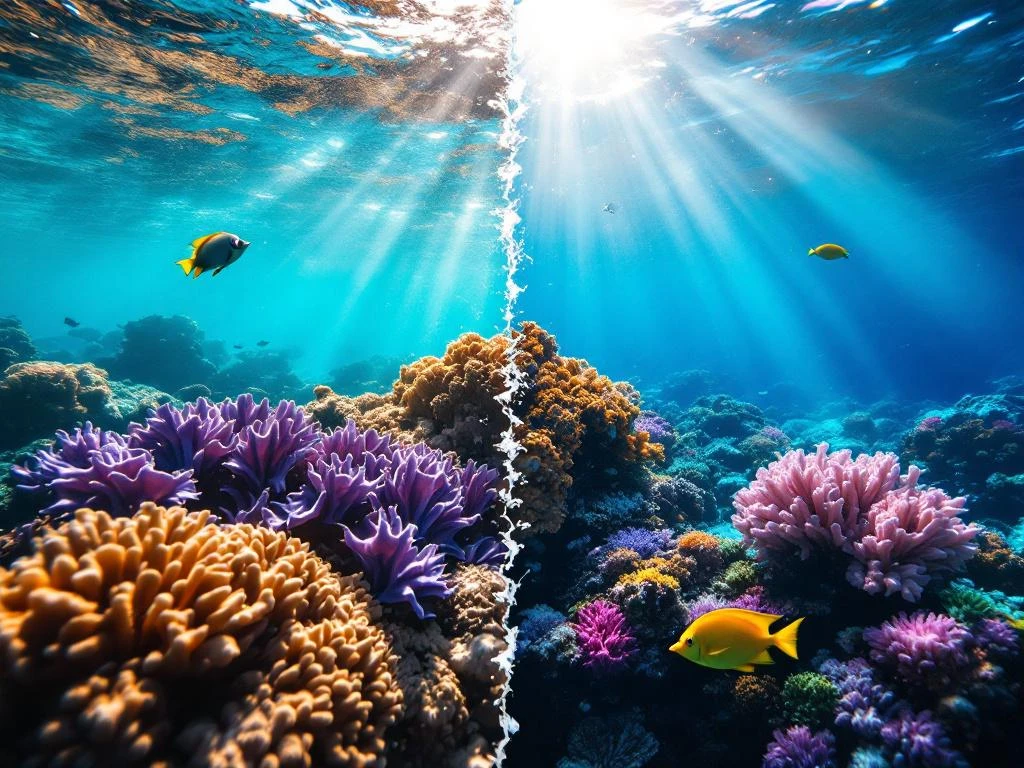
Caribbean and Pacific reef snorkeling offer dramatically different underwater adventures. The Caribbean features calmer, clearer waters with 30+ metre visibility, gentle currents, and warm temperatures perfect for beginners. Pacific snorkeling presents more dynamic conditions with stronger currents, cooler waters, and diverse marine ecosystems requiring greater swimming ability. While both oceans showcase spectacular marine life, the Caribbean’s protected barrier reefs create tranquil lagoons ideal for relaxed exploration. Pacific reefs reward experienced snorkelers with incredible biodiversity but demand more physical effort and ocean awareness for safe, enjoyable experiences.
How long does it take to reach reefs on boat excursions?
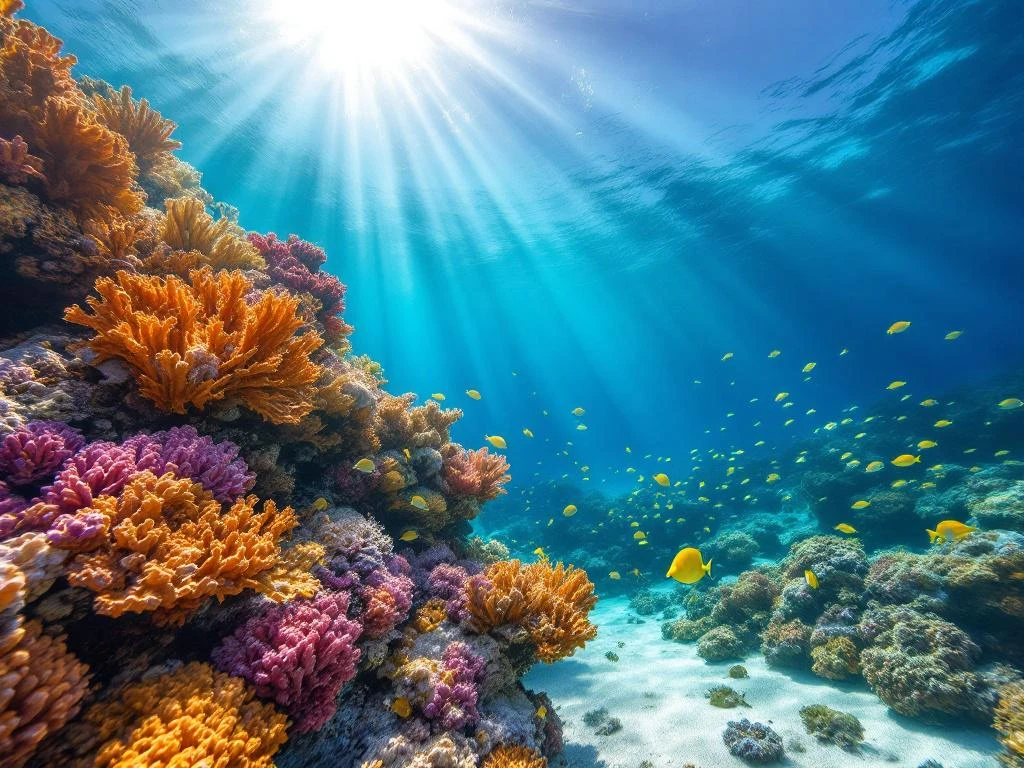
Planning an Aruba snorkeling adventure? Most boat excursions reach spectacular reefs within 10 to 30 minutes from Palm Beach departure points. Popular destinations like Boca Catalina take just 10-15 minutes, while the famous Antilla shipwreck requires 15-20 minutes of sailing. Travel time depends on vessel type, sea conditions, and tour itinerary, but you’ll spend 60-70% of your tour actually snorkeling. The journey itself becomes part of the experience, with open bars, coastal views, and crew insights making every moment enjoyable.
Do boat excursions visit both shallow and deep reefs?
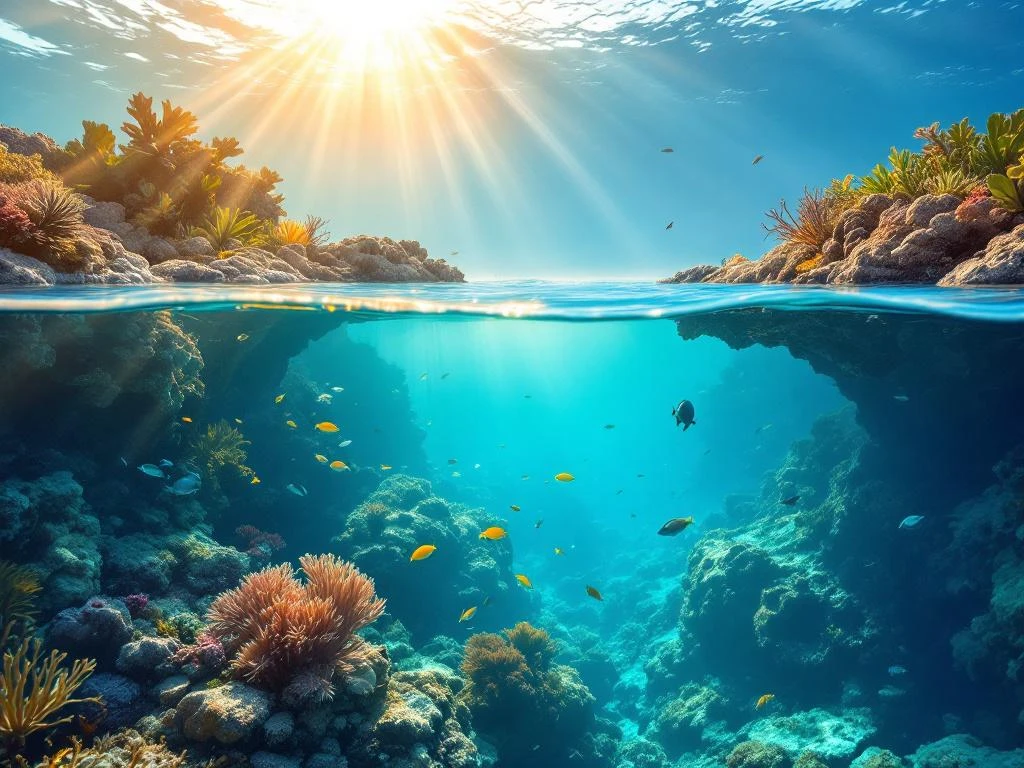
Most boat excursions prioritize shallow reefs between 5-30 feet, offering vibrant coral formations and abundant marine life accessible to all skill levels. While deep reefs beyond 30 feet exist, they’re typically reserved for certified scuba divers. Shallow reefs provide optimal visibility, natural lighting for photography, and diverse ecosystems featuring colourful parrotfish, sea turtles, and brain coral. Understanding reef depth differences helps you select the ideal Aruba snorkelling tour—whether you’re a beginner seeking calm waters or an experienced ocean enthusiast wanting multiple reef stops with pristine marine biodiversity.
How do you prevent mask fogging during reef snorkeling?
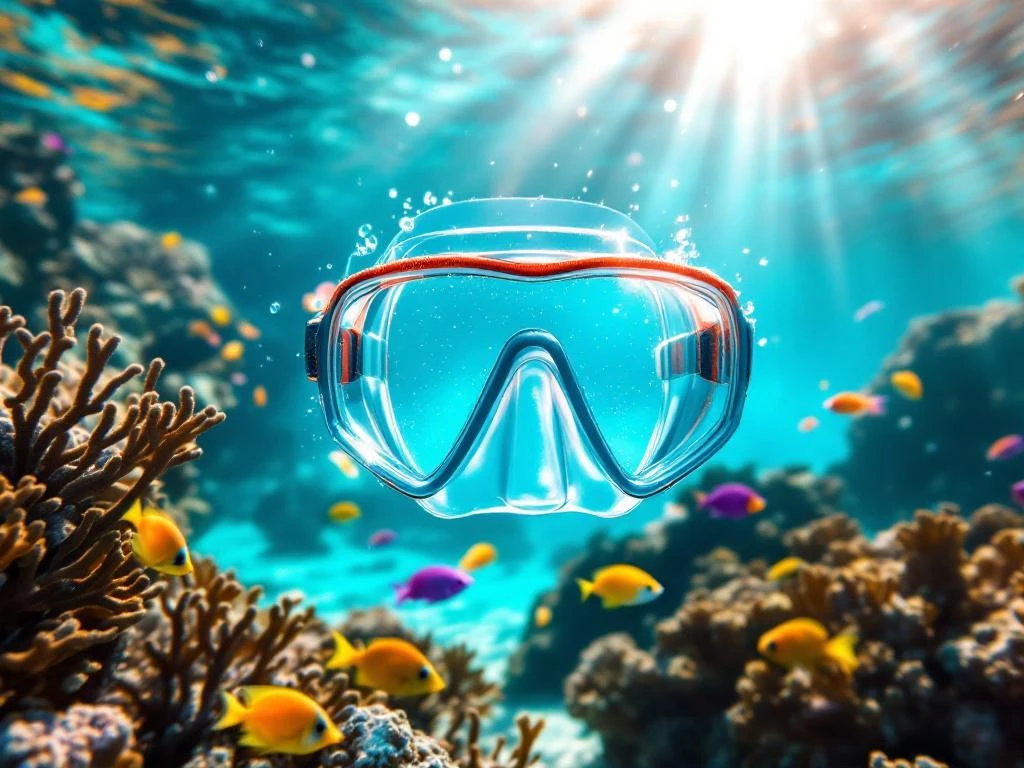
Mask fogging can ruin your reef snorkeling adventure, but it’s completely preventable. Discover the science behind why masks fog underwater and master proven techniques including commercial anti-fog solutions, baby shampoo treatment, and the traditional saliva method. Learn essential new mask preparation steps that remove factory residue, plus quick fixes when fogging occurs mid-snorkeling. These expert-backed strategies ensure crystal-clear visibility throughout your Caribbean underwater exploration.
How deep should beginners snorkel at Aruba’s reefs?
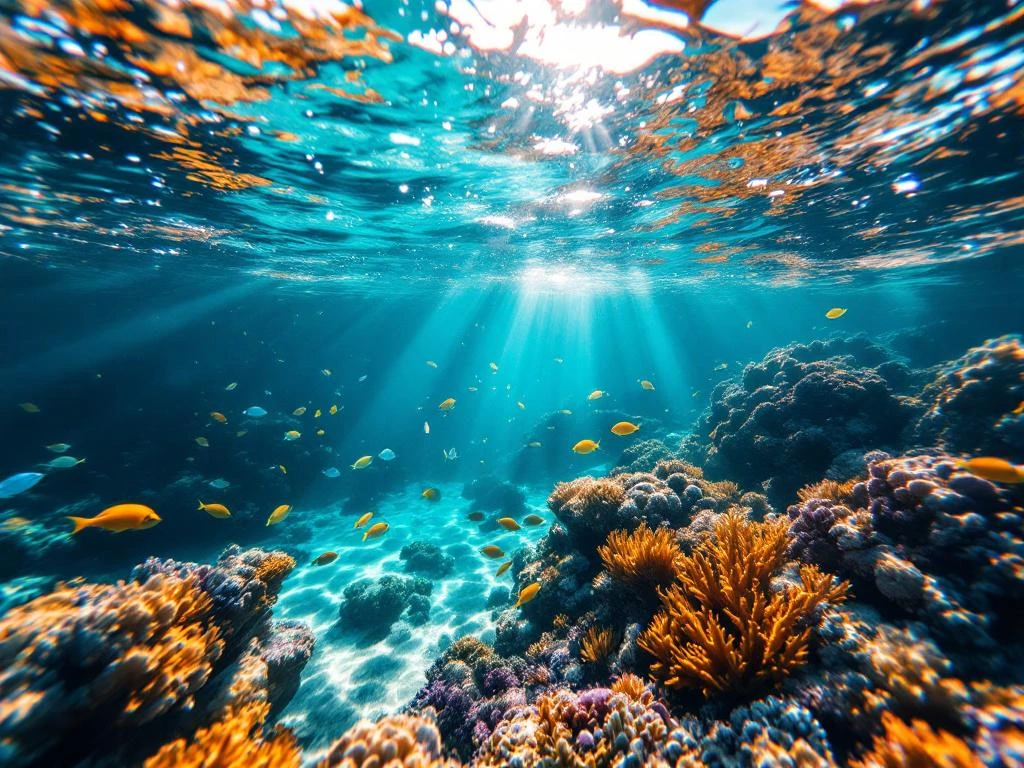
Wondering how deep to venture on your first snorkeling adventure in Aruba? Beginner snorkelers thrive at 5-15 feet depth, where calm Caribbean waters reveal vibrant coral formations, tropical fish, and even sea turtles. This shallow range offers excellent visibility, comfortable conditions, and no ear pressure concerns—perfect for building confidence while exploring Aruba’s protected reef sites like Mangel Halto and Boca Catalina. Discover why shallow doesn’t mean less spectacular, and learn how to recognize when you’re venturing too deep for comfort.
What can you see at shallow reefs versus deep reefs?
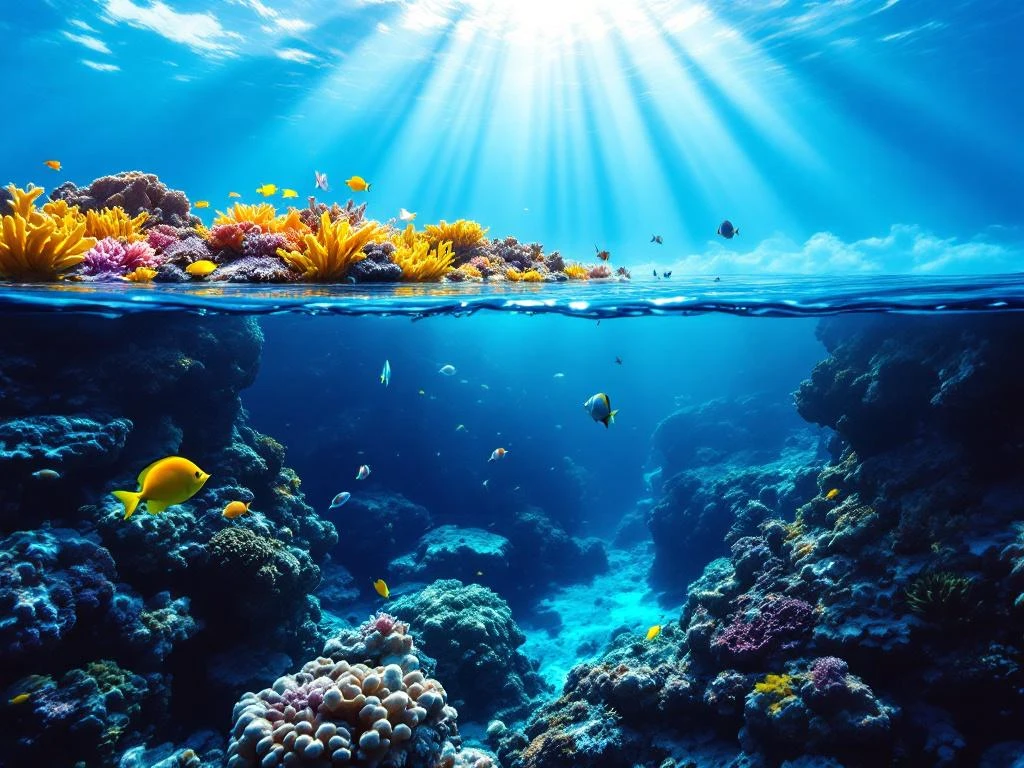
Shallow reefs and deep reefs offer completely different underwater experiences in Aruba. Shallow reefs (0-30 feet) burst with colourful tropical fish, vibrant corals, and sea turtles—perfect for snorkellers of all abilities. Deep reefs (30+ feet) host larger species like barracudas, eagle rays, and nurse sharks in cooler, darker environments that require scuba certification. Understanding these differences helps you choose the right reef adventure based on your experience level and what marine life you want to encounter during your Caribbean holiday.
When is the best time to see bioluminescence while snorkeling?
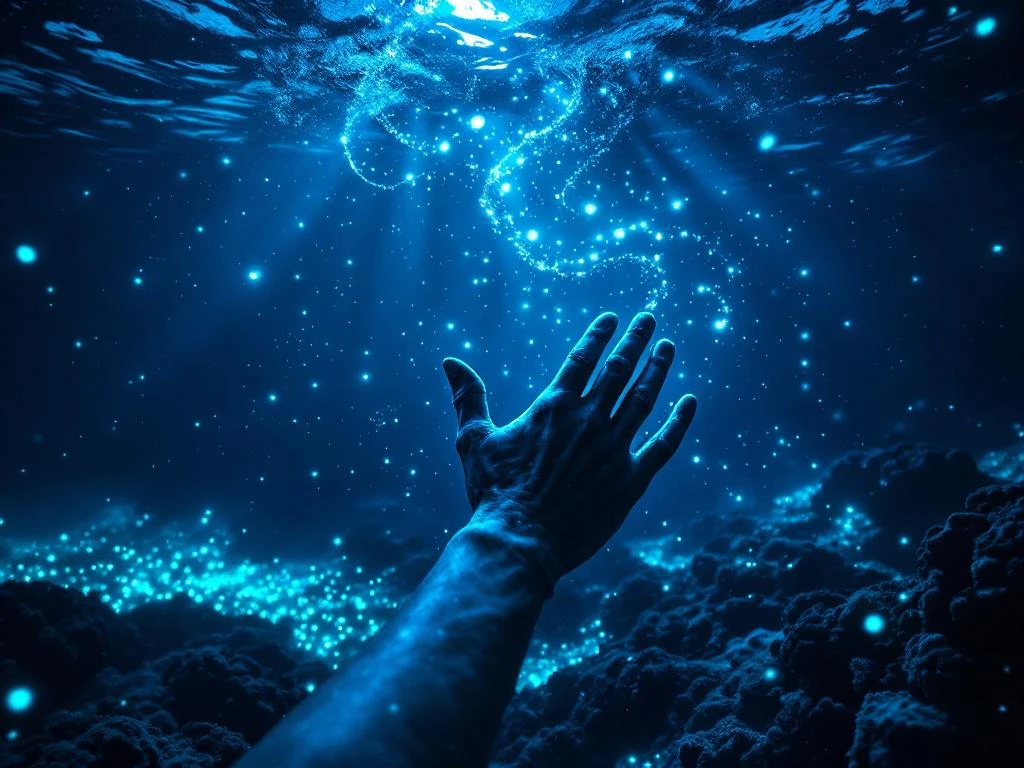
Witnessing bioluminescence while snorkeling requires perfect timing. The most spectacular displays occur during new moon phases, one to two hours after sunset, when complete darkness allows the subtle blue-green glow of dinoflagellates to shine brilliantly. Summer through autumn offers peak viewing in Caribbean waters as warmer temperatures encourage plankton blooms. Understanding moon phases, seasonal patterns, and choosing locations away from light pollution dramatically increases your chances of experiencing this magical natural phenomenon.
What anti-fog solutions work best for snorkeling masks?
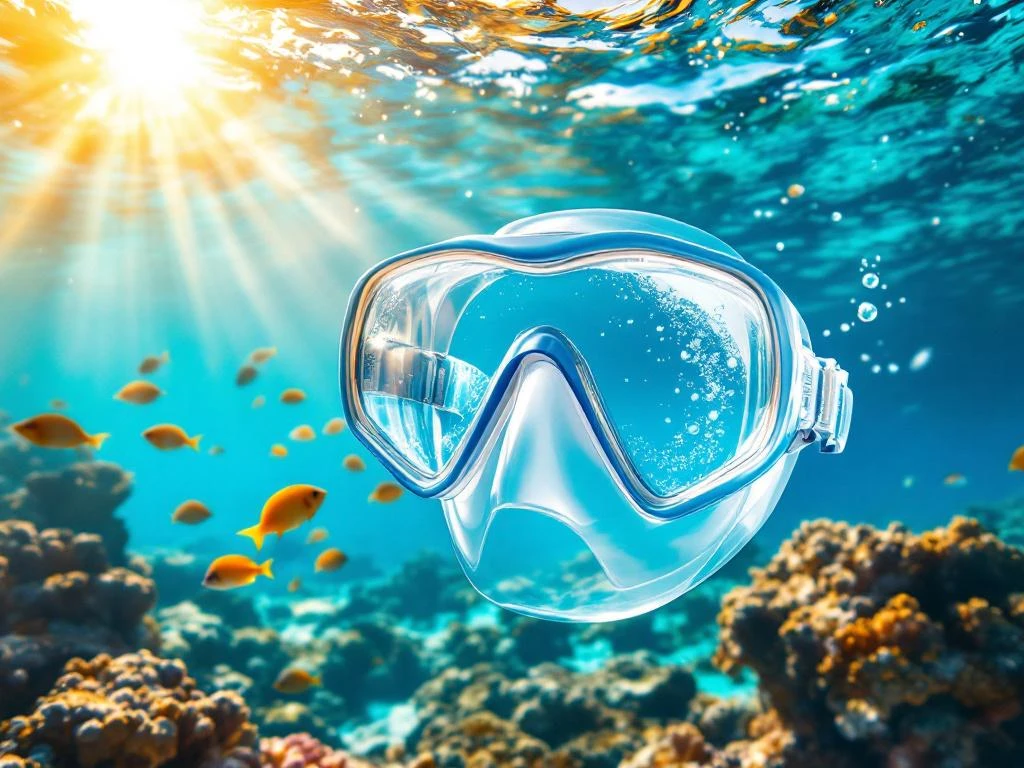
Foggy snorkeling masks ruin underwater adventures, but the right anti-fog solution changes everything. Commercial sprays and gels offer 30-60 minutes of clarity, while baby shampoo and traditional saliva provide effective natural alternatives for 20-40 minutes. The secret to crystal-clear vision combines proper mask preparation using the toothpaste method with consistent pre-dive treatment. Whether you’re exploring Caribbean reefs or local waters, understanding why masks fog and how different solutions work helps you choose the perfect approach for fog-free snorkeling every time.
How do reef structures affect snorkeling experiences?
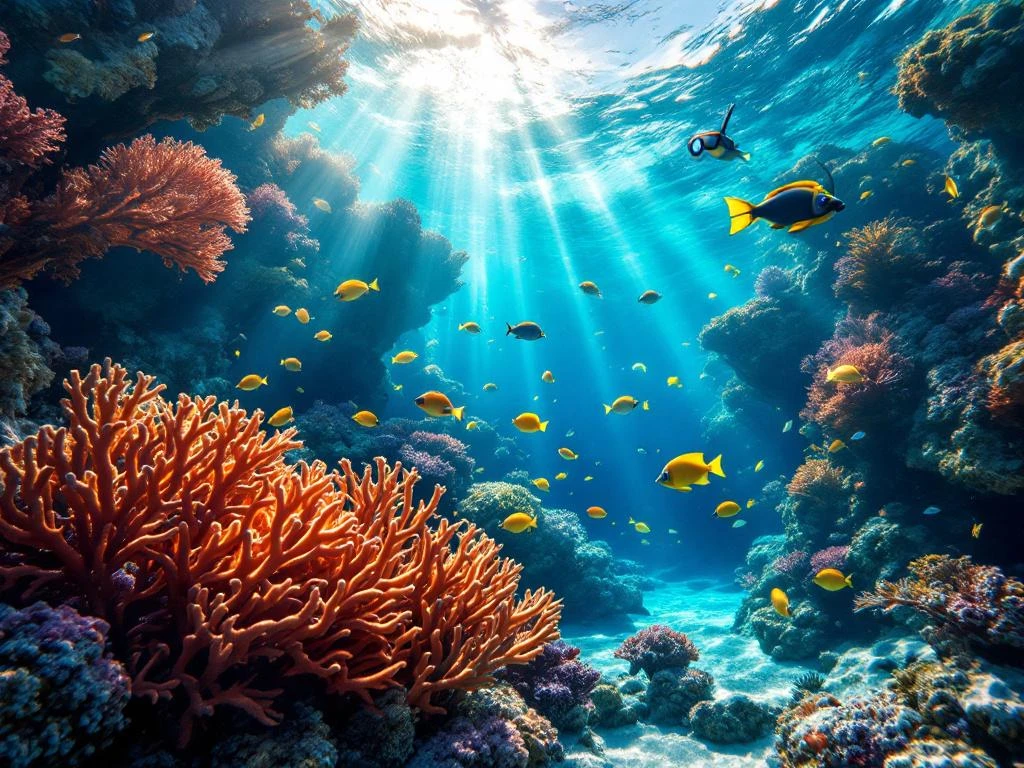
Reef structures transform snorkeling from ordinary to extraordinary by creating diverse marine habitats that concentrate colourful fish and sea creatures. From natural coral formations to artificial shipwrecks like Aruba’s famous SS Antilla, these underwater features determine visibility, species diversity, and overall adventure quality. Understanding how different reef types—fringing reefs, barrier reefs, and patch reefs—affect marine life behaviour helps you choose ideal snorkeling locations matched to your skill level. Complex reef topography with caves, channels, and varied depths provides both visual interest and optimal viewing opportunities, making Aruba’s protected Caribbean reef structures perfect for unforgettable underwater exploration.
What is the best time of year for reef snorkeling in Aruba?
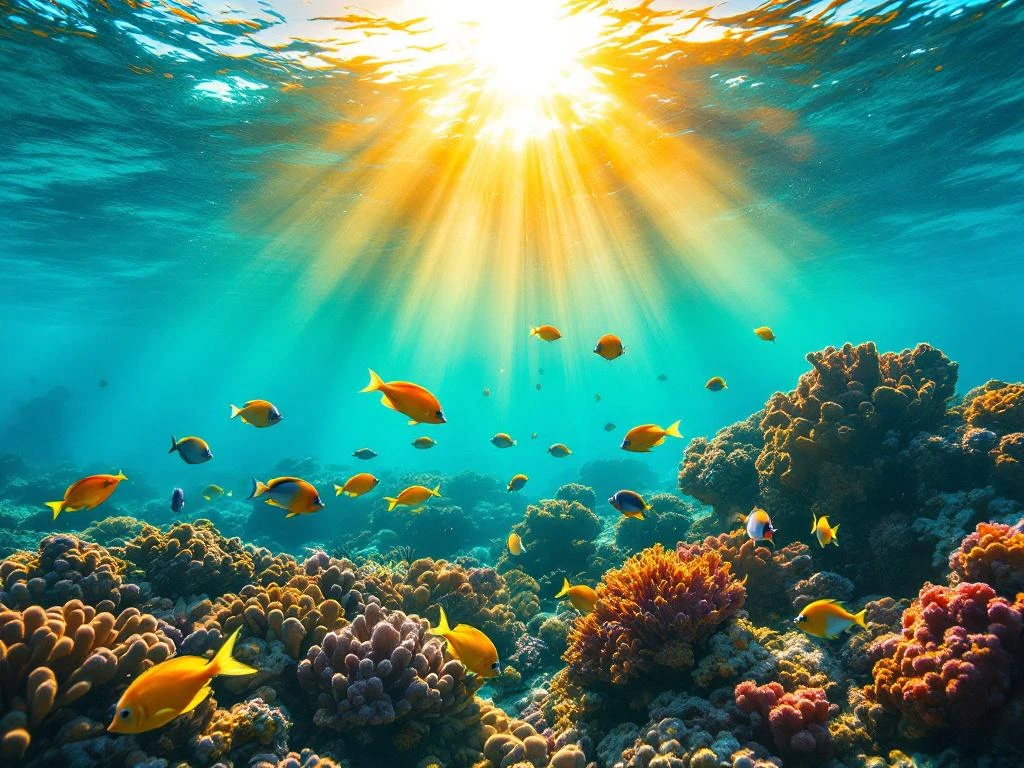
Aruba’s unique position outside the hurricane belt makes it a snorkeling paradise 365 days a year. While January through August delivers peak visibility of 60-100 feet, the island’s protected western coastline and stable 78-84°F waters ensure excellent conditions year-round. Whether you’re seeking vibrant coral reefs, sea turtle encounters, or colorful tropical fish, Aruba’s consistent weather patterns and thriving marine ecosystem deliver memorable underwater experiences regardless of season. Morning excursions offer optimal clarity and active marine life across all months.