
How do reef structures affect snorkeling experiences?
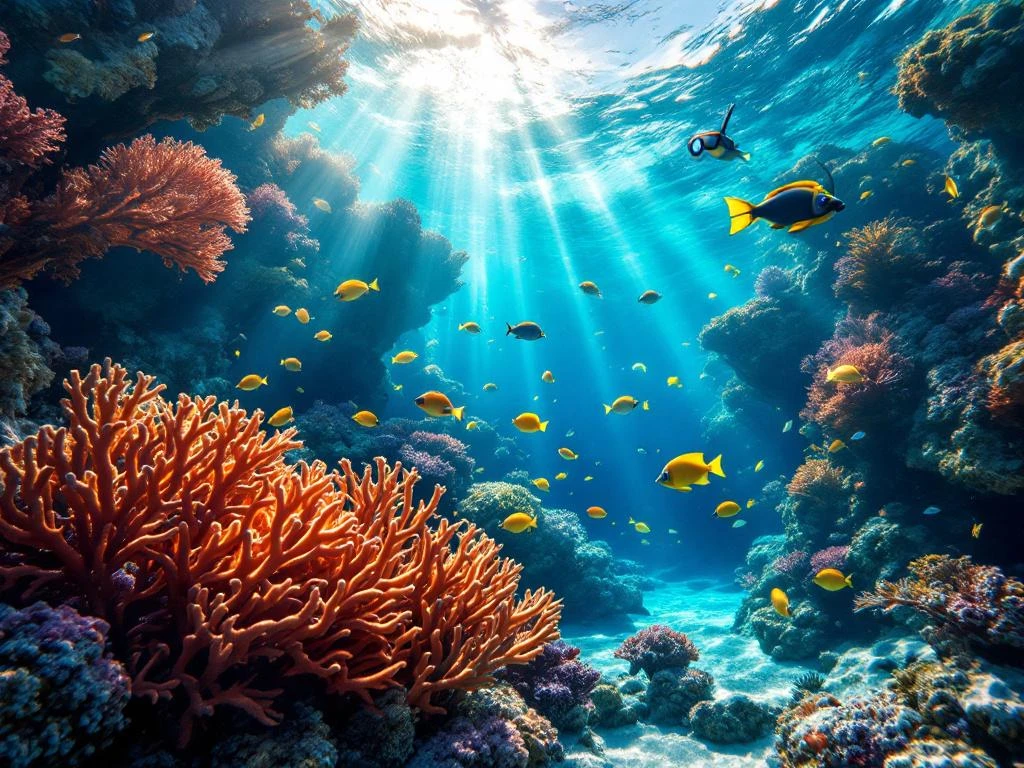
Reef structures transform snorkeling from ordinary to extraordinary by creating diverse marine habitats that concentrate colourful fish and sea creatures. From natural coral formations to artificial shipwrecks like Aruba’s famous SS Antilla, these underwater features determine visibility, species diversity, and overall adventure quality. Understanding how different reef types—fringing reefs, barrier reefs, and patch reefs—affect marine life behaviour helps you choose ideal snorkeling locations matched to your skill level. Complex reef topography with caves, channels, and varied depths provides both visual interest and optimal viewing opportunities, making Aruba’s protected Caribbean reef structures perfect for unforgettable underwater exploration.
What pressure equalization techniques work for reef snorkeling?
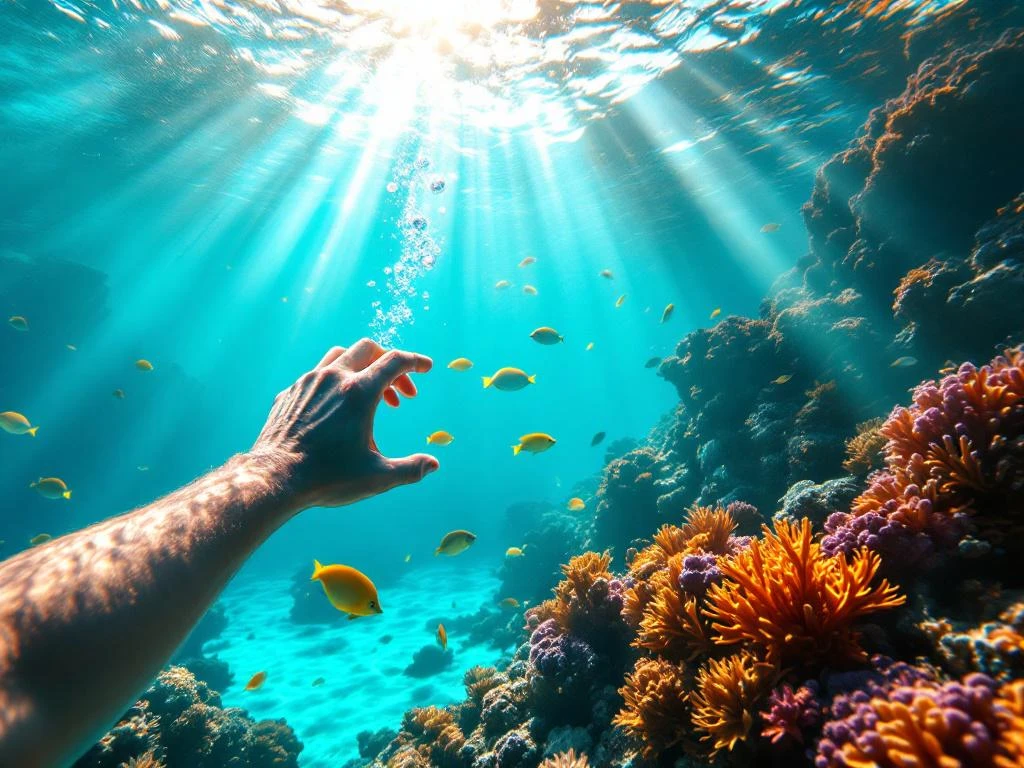
Pressure equalization techniques help snorkelers balance air pressure in their ears and sinuses as they descend underwater. The most common method involves gently pinching your nose and blowing softly while diving down. Learn the Valsalva, Toynbee, and Frenzel maneuvers to prevent discomfort and injury during reef snorkeling. Discover when to equalize, what to do if techniques fail, and how to prepare for exploring Aruba’s vibrant underwater environments at depths of 10 to 20 feet comfortably and safely.
How far offshore are Aruba’s best snorkeling reefs?
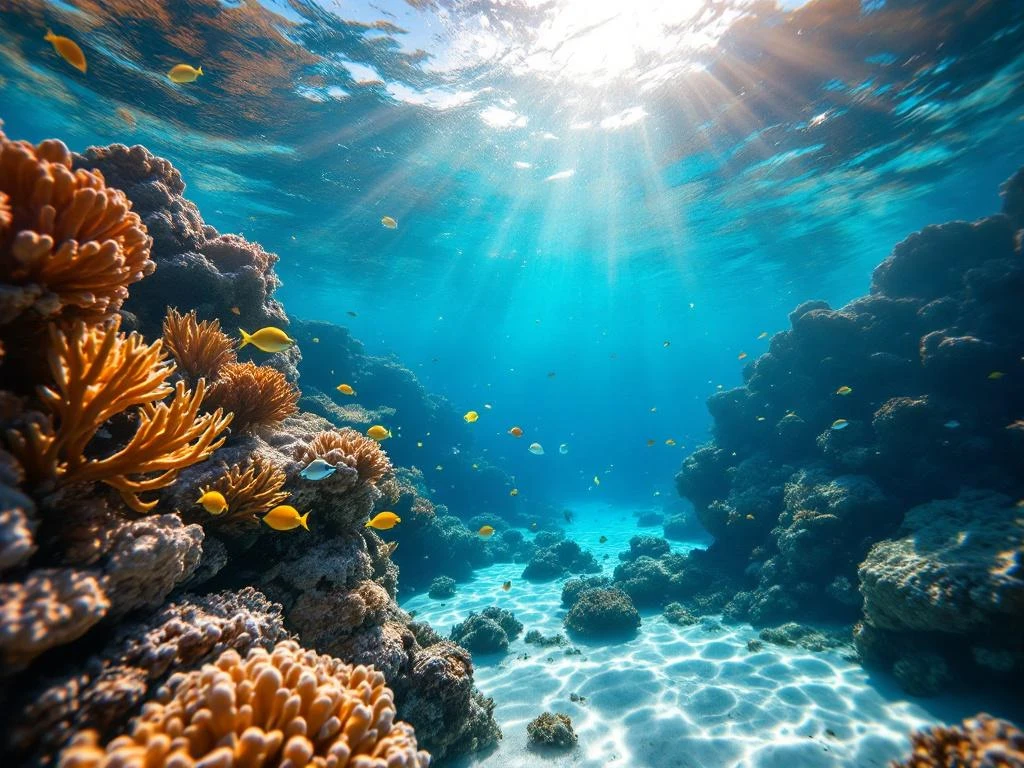
Aruba’s premier snorkeling reefs lie 200 yards to 2 miles offshore, accessible within 5-15 minutes by boat. These distances ensure optimal conditions—clearer water, healthier coral, and abundant marine life including sea turtles and tropical fish. While shore sites like Baby Beach offer casual experiences, offshore locations like Boca Catalina, Mangel Halto, and the SS Antilla shipwreck showcase Aruba’s underwater world at its finest. Boat tours provide equipment, expert guidance, and access to multiple pristine sites in one outing, revealing why distance from shore makes all the difference for unforgettable reef snorkeling adventures.
How do you equalize pressure when diving deeper at reefs?
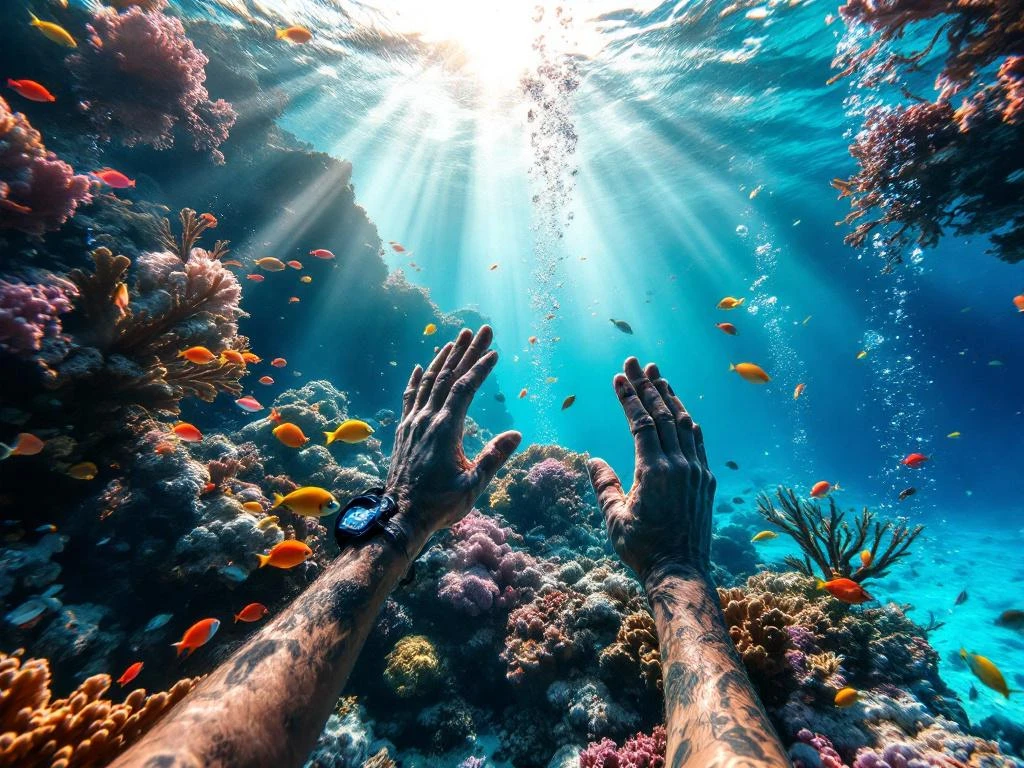
Exploring Aruba’s vibrant reefs requires mastering pressure equalisation to protect your ears and maximize comfort underwater. Learn the Valsalva, Toynbee, and Frenzel techniques that balance air pressure in your ears with increasing water pressure as you descend. Discover when to equalise, what to do if techniques aren’t working, and how to prepare before your snorkeling adventure. Even shallow reef depths create significant pressure changes, making proper equalisation essential for enjoyable underwater exploration.
How do you get to reef snorkeling sites in Aruba?
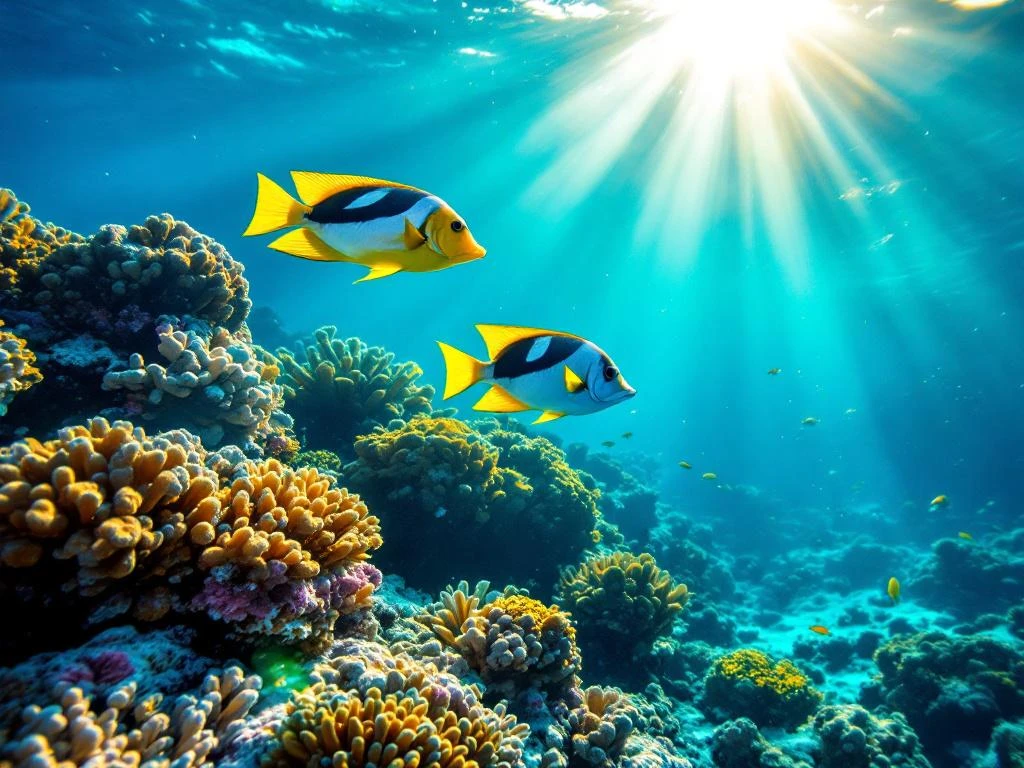
Accessing Aruba’s spectacular reef snorkeling sites involves three main approaches: boat tours, shore entries, and guided excursions. Boat tours remain the most popular choice, providing access to pristine reefs like the Antilla shipwreck and remote coral formations beyond swimming distance. Shore entries work for beach-accessible spots like Boca Catalina and Mangel Halto, while guided excursions combine expertise with convenience. Most snorkelers choose boat-based access to visit multiple premium sites in one trip with full equipment, safety supervision, and all-inclusive amenities.
What is the difference between shallow reef and deep reef snorkeling?
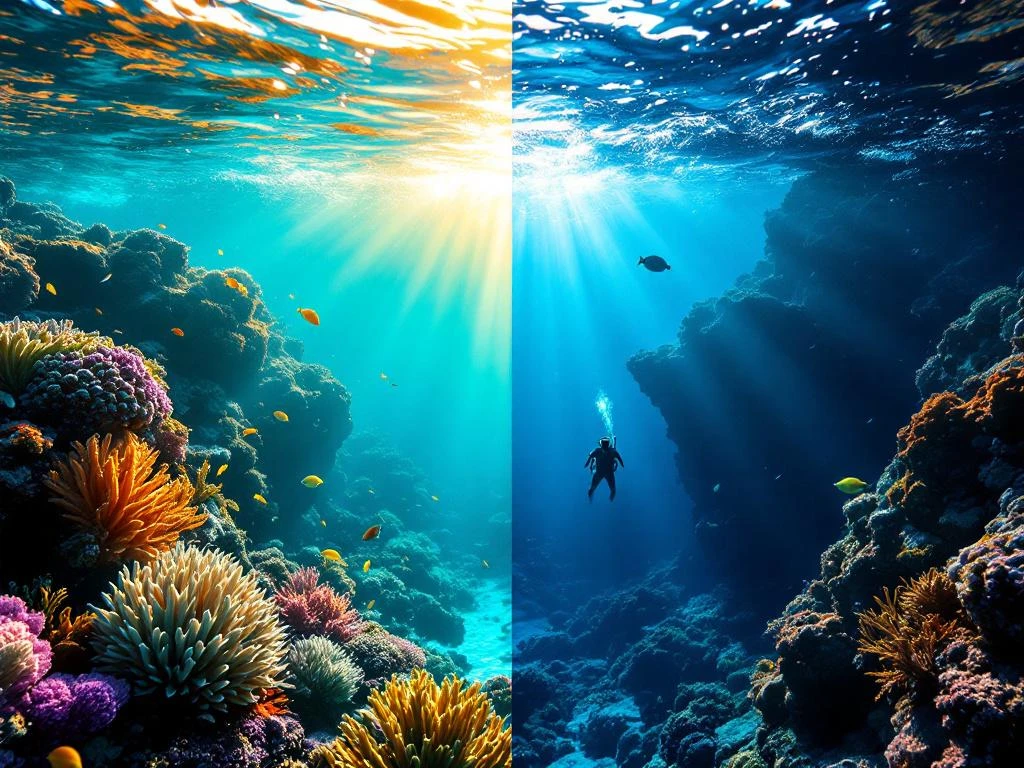
Shallow reef snorkeling (5-15 feet) offers easy surface access and vibrant coral gardens perfect for beginners, while deep reef snorkeling (15-40+ feet) demands stronger swimming skills and reveals different marine ecosystems. The depth distinction affects visibility, water temperature, marine life diversity, and physical requirements. Shallow reefs burst with colorful hard corals and tropical fish in brilliant sunlight, whereas deeper environments host soft corals, sponges, and larger species like groupers and barracuda. Understanding these differences helps you choose the right Aruba snorkeling experience for your comfort level and adventure goals.
Can you see bioluminescence at Aruba’s snorkeling reefs?
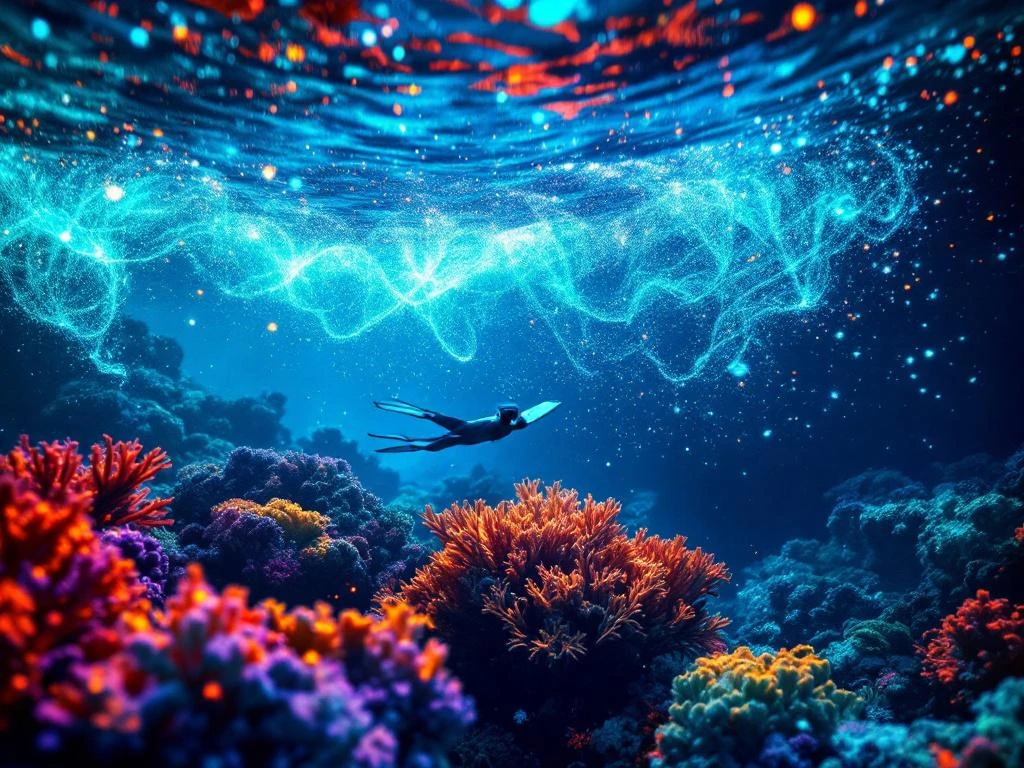
Bioluminescence at Aruba’s snorkeling reefs requires complete darkness and concentrated plankton populations—conditions that don’t align with typical snorkeling tours. While Caribbean waters contain bioluminescent organisms, Aruba’s open reef environment disperses them, making visible displays extremely rare. Instead, Aruba’s crystal-clear waters offer reliably spectacular experiences: vibrant coral formations, colorful tropical fish, graceful sea turtles, and the famous SS Antilla shipwreck. With visibility exceeding 30 meters, daytime snorkeling reveals the underwater world in vivid detail that’s accessible and unforgettable.
What is the best way to prepare your mask before reef snorkeling?
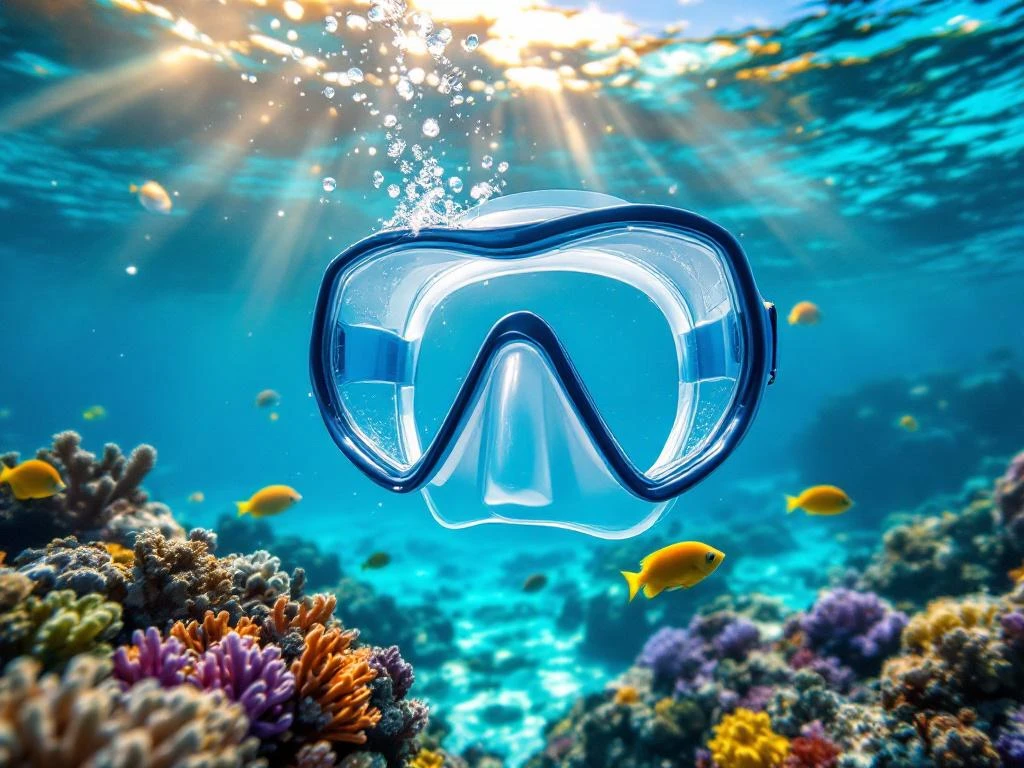
Foggy snorkel masks ruin underwater adventures. Discover proven mask preparation methods using non-gel toothpaste, commercial defog solutions, baby shampoo, or the professional diver’s spit technique. Learn why new masks fog up from manufacturing residue and temperature differences, and master the step-by-step process to ensure crystal-clear visibility when exploring Aruba’s colorful coral reefs and tropical marine life during your snorkeling excursion.
How clear is the water at Boca Catalina?
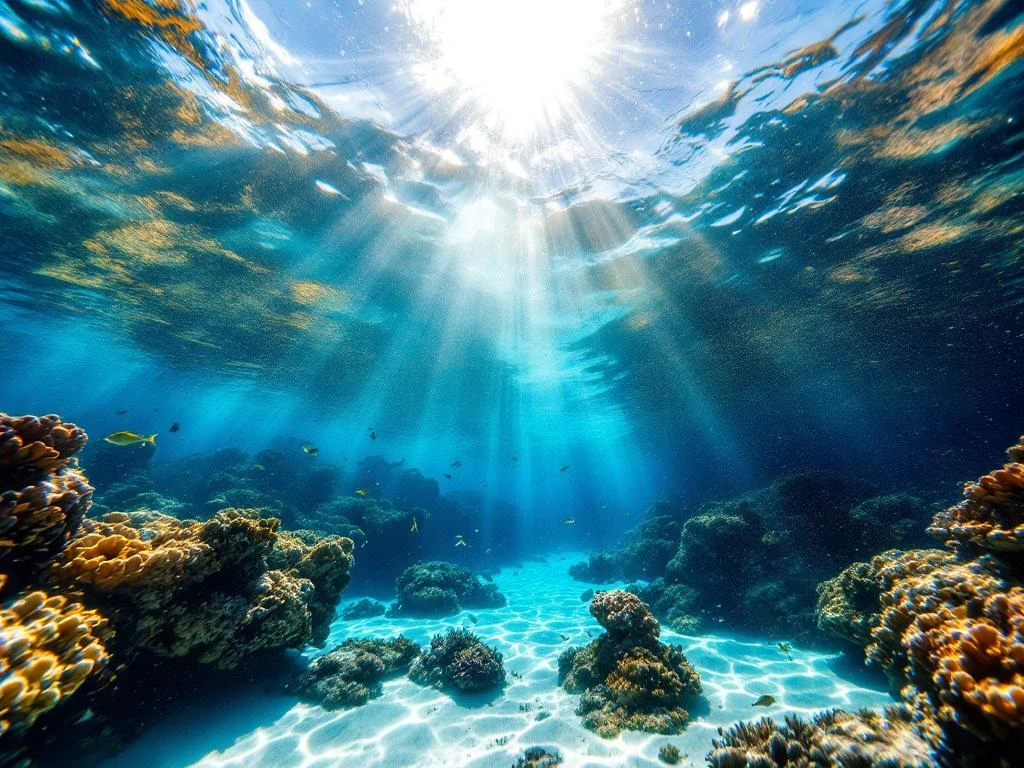
Boca Catalina’s water clarity is truly exceptional, with underwater visibility reaching 60 to 100 feet on most days. This protected Aruba cove combines pristine sandy bottoms, minimal sediment, and desert climate conditions to create ideal snorkeling waters year-round. Spot colorful tropical fish, sea turtles, and vibrant coral formations with stunning detail. Morning visits offer peak clarity, though conditions remain excellent throughout the day. Discover what makes these turquoise waters rank among the Caribbean’s clearest snorkeling destinations.
Do boat excursions provide defog solution for masks?
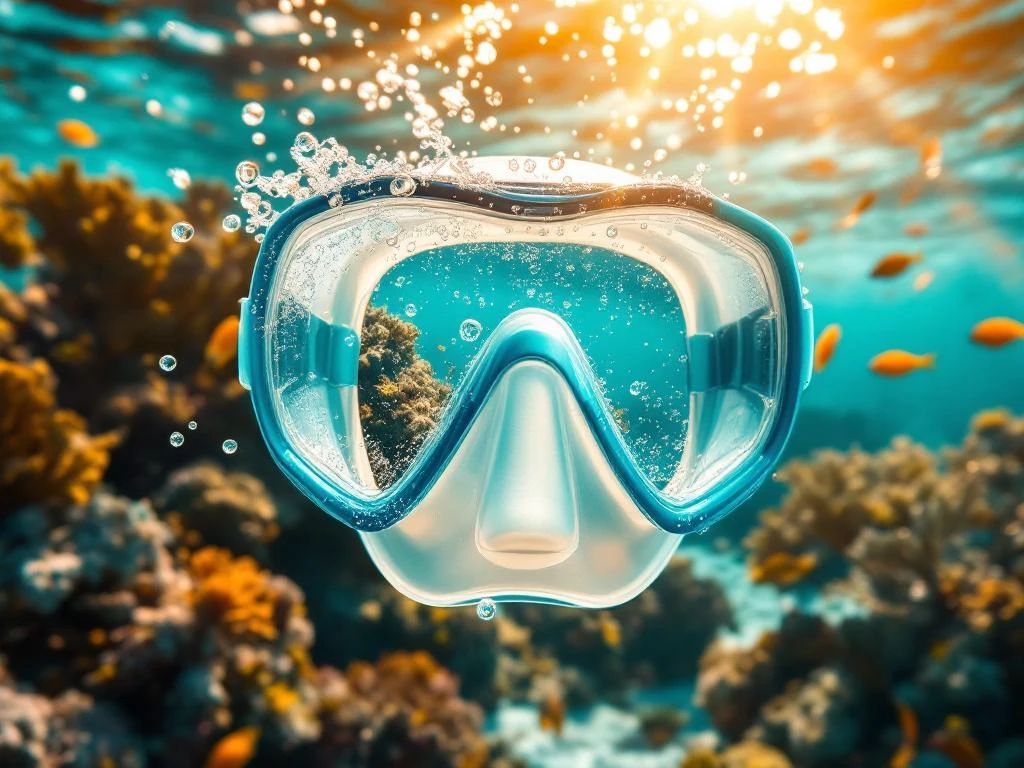
Most boat excursions provide defog solutions for snorkel masks, including commercial anti-fog sprays and natural alternatives like baby shampoo. Premium operators pre-treat masks before guests arrive, while all-inclusive tours include defog products as standard. Understanding what’s provided—and how to properly apply these solutions—ensures clear underwater visibility throughout your snorkeling adventure. The quality and preparation methods vary significantly between budget and premium operators, affecting your overall experience exploring Caribbean reefs.