Blog

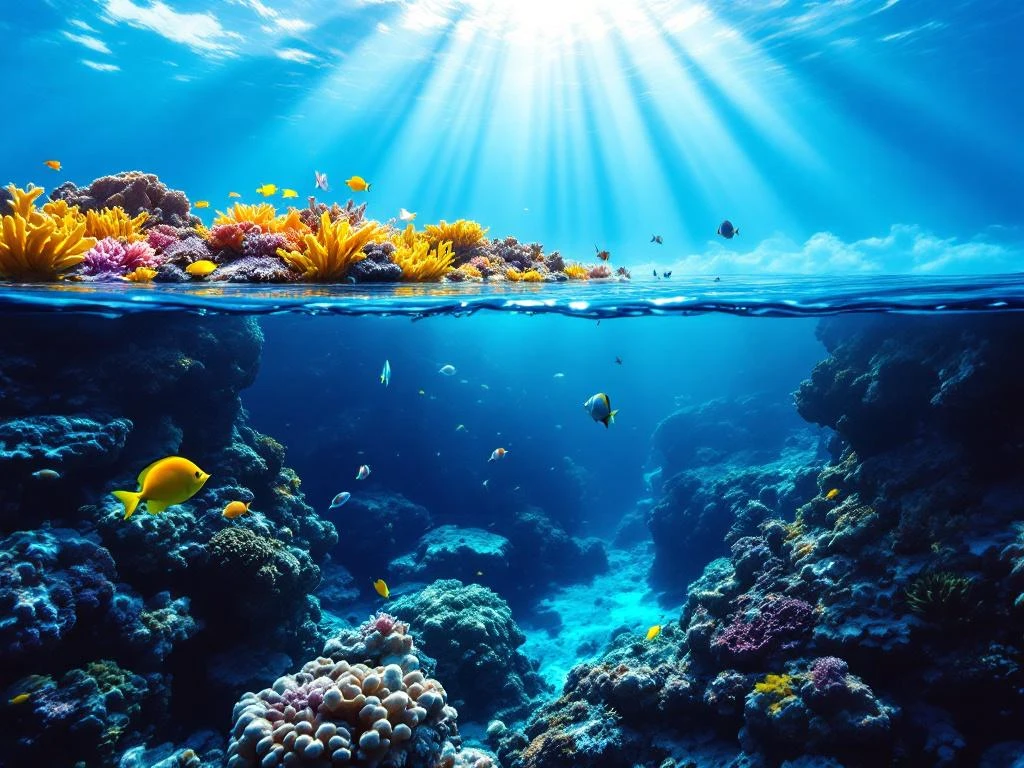
Freediver and snorkeler at Caribbean coral reef with tropical fish and sunbeams underwater split view

What are the benefits of freediving versus snorkeling at reefs?

Both freediving and snorkeling unlock access to vibrant coral reefs, but they offer vastly different experiences. Snorkeling keeps you comfortably at the surface with continuous breathing, making it perfect for beginners and families exploring Caribbean waters. Freediving takes you deeper into the underwater world through breath-hold diving, offering intimate marine encounters but requiring proper training and physical conditioning. Whether you’re planning your first reef adventure or seeking a new challenge, understanding these key differences helps you choose the approach that matches your abilities, vacation timeline, and desired connection with Aruba’s spectacular underwater ecosystems.

Freediver descending toward vibrant coral reef with tropical fish in crystal-clear turquoise Caribbean waters with sunbeams

Is freediving allowed at snorkeling reefs in Aruba?

Freediving is generally allowed at snorkeling reefs in Aruba, with most popular sites welcoming breath-hold divers who follow safety protocols and respect marine protected areas. While snorkeling keeps you at the surface, freediving lets you explore Aruba’s reefs at depth—typically 3-8 metres at popular locations like Boca Catalina and the Antilla shipwreck. No special permits are required, though understanding current conditions, boat traffic awareness, and proper equalisation techniques enhances safety. Tour operators accommodate varying skill levels, providing equipment and guidance for both surface snorkelers and confident freedivers exploring deeper reef features.

Caribbean coral reef in Aruba during storm with murky water, choppy waves, and reduced underwater visibility

Are there months when reef snorkeling is not recommended?

Wondering if there are months when reef snorkeling isn’t recommended in Aruba? Great news—the island’s position outside the hurricane belt means year-round snorkeling with consistently calm, clear waters and stable 78-84°F temperatures. Unlike other Caribbean destinations with dramatic seasonal changes, Aruba offers excellent visibility and vibrant marine life every month. While April-August delivers peak conditions with 80-100 feet visibility, even December-March maintains 60-80 feet clarity. Discover why Aruba’s unique geography makes it the Caribbean’s most reliable snorkeling destination.

Freediver descending through turquoise Caribbean water with sunbeams and colorful coral reef in Aruba

Can you freedive during Aruba boat excursions?

Yes, you can freedive during most Aruba boat excursions! While these tours primarily market snorkeling experiences, guests with freediving skills are welcome to explore deeper during designated water stops. The crystal-clear Caribbean waters offer excellent visibility, with locations like the SS Antilla shipwreck and Boca Catalina reef providing depths of 5-20 metres—perfect for recreational freediving. Learn essential safety considerations, what equipment to bring, and how to communicate your freediving plans with tour operators for an unforgettable underwater adventure.

Snorkeler demonstrating nose-pinch equalization technique underwater in Aruba's turquoise Caribbean waters with coral reef

Will boat excursion guides teach pressure equalization?

Most boat excursion guides provide basic pressure equalization instruction during safety briefings, though the depth of teaching varies significantly by operator. Premium tour operators typically offer comprehensive guidance on ear clearing techniques, while budget operators may only briefly mention it. Understanding pressure equalization—the process of balancing air pressure in your middle ear with surrounding water pressure—is essential for comfortable snorkeling. This guide explores what instruction you can expect from tour operators, the most effective ear clearing methods like the Valsalva and Toynbee maneuvers, and how to prepare before your Aruba boat excursion to ensure a pain-free underwater experience.

Nurse shark swimming over colorful Caribbean coral reef with tropical fish and sunlight rays in turquoise water

Can you see nurse sharks at Aruba’s snorkeling reefs?

Yes, you can see nurse sharks while snorkeling at Aruba’s reefs! These gentle, bottom-dwelling sharks are commonly found in shallow coastal waters, particularly around Boca Catalina and the SS Antilla shipwreck. Nurse sharks rest on sandy bottoms during the day, making them one of the most reliably encountered shark species around the island. Learn where to find them, the best times for sightings, and how to safely observe these fascinating creatures during your Aruba snorkeling adventure.

Snorkeler in horizontal position gliding above vibrant Aruba coral reef with tropical fish in crystal-clear turquoise water

What body position is best for reef snorkeling?

Discover why horizontal, face-down positioning is essential for reef snorkeling success. This comprehensive guide reveals how proper body alignment conserves energy, improves breathing efficiency, protects fragile coral ecosystems, and enhances your underwater visibility. Learn the exact techniques for maintaining streamlined position, common mistakes that exhaust beginners, and practical exercises to perfect your form before your Aruba snorkeling adventure.

Professional underwater camera housing with strobes above vibrant Caribbean coral reef with tropical fish and sunbeams

What photography equipment works best for reef snorkeling?

Capturing vibrant Caribbean reef life requires choosing the right underwater photography equipment. From action cameras like GoPro to waterproof smartphone cases, this comprehensive guide compares camera options, protective gear, and essential accessories for Aruba snorkeling adventures. Learn optimal settings, safety tips for keeping equipment functional in saltwater, and which tools truly enhance your underwater photography experience while exploring colourful coral formations and tropical fish.

Split-level underwater view of snorkeler at surface and freediver descending near vibrant Caribbean coral reef in Aruba

What is the difference between snorkeling and freediving at reefs?

Snorkeling and freediving offer distinct ways to explore underwater reefs. Snorkeling keeps you at the surface (0-6 feet) with continuous breathing through a tube, perfect for beginners and extended observation. Freediving takes you 15-100+ feet deep on a single breath, requiring specialized training and equipment. While snorkeling welcomes anyone comfortable in water with minimal gear, freediving demands breath-hold techniques, equalization skills, and proper conditioning. For Caribbean destinations like Aruba, snorkeling provides accessible reef exploration for all ages, while freediving rewards trained enthusiasts with intimate marine encounters and deeper reef access.

Snorkeler adjusting diving mask underwater above vibrant coral reef with tropical fish in turquoise Caribbean waters

Do boat excursions offer snorkeling technique instruction?

Most boat excursions offer practical snorkeling guidance rather than formal instruction, including safety briefings, equipment demonstrations, and breathing technique tips. Crew members explain mask clearing, proper snorkel use, and location-specific safety protocols. This approach helps beginners enjoy their first underwater experience while giving experienced snorkelers site-specific tips. With personalized support, flotation assistance, and continuous monitoring, even nervous first-timers can confidently explore vibrant reefs. Discover what snorkeling support to expect and how to choose excursions with the best crew assistance.