Blog

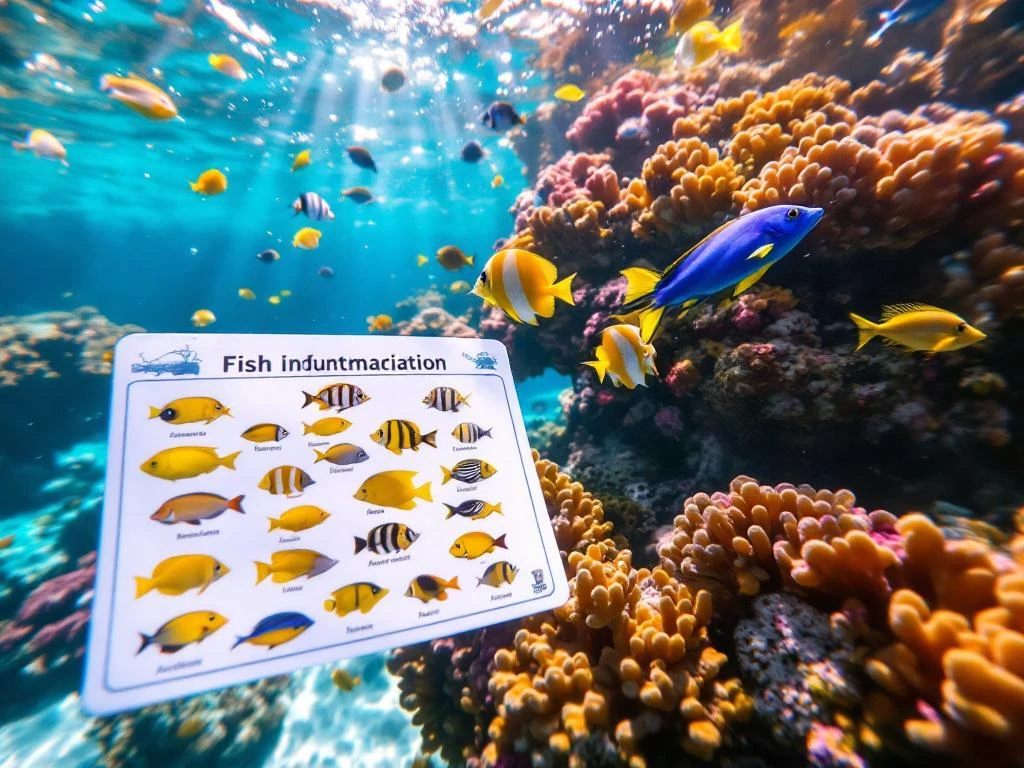
Vibrant coral reef at Boca Catalina with colorful tropical fish swimming among orange and purple corals in clear blue water

What makes Boca Catalina Reef special for snorkeling?

Boca Catalina Reef offers one of Aruba’s most spectacular snorkeling experiences with crystal-clear waters, abundant marine life including sea turtles and tropical fish, and calm shallow conditions perfect for beginners and experts alike. Located on the northwest coast near Palm Beach, this protected reef features exceptional visibility, warm waters, and diverse coral formations that create an unforgettable underwater adventure showcasing the Caribbean’s natural beauty.

Split-screen underwater view: solo snorkeler exploring vibrant coral reef on left, guided group on right in turquoise Caribbean waters

How does boat excursion snorkeling compare to independent reef snorkeling?

Choosing between boat excursion snorkeling and independent reef snorkeling in Aruba? Boat tours provide guided access to pristine offshore locations like the SS Antilla shipwreck, professional-grade equipment, safety supervision, and all-inclusive amenities. Independent snorkeling offers flexibility but limits you to coastal areas and requires your own gear and navigation. Boat excursions eliminate planning stress while maximizing underwater time at multiple prime locations unreachable from shore. Discover which approach matches your experience level, priorities, and adventure goals for unforgettable Aruba reef snorkeling.

Split-screen underwater view of Aruba snorkeling: shallow sandy beach waters on left, vibrant coral reef with tropical fish on right

How does reef snorkeling differ from beach snorkeling in Aruba?

Aruba offers two distinct snorkeling experiences: reef snorkeling with boat access to deeper coral formations featuring diverse marine life, and beach snorkeling with convenient shore entry into shallow coastal waters. Reef sites deliver superior visibility, calmer conditions, and encounters with sea turtles and larger fish species, while beach locations provide easy access perfect for beginners and families. Understanding these differences helps you choose the right underwater adventure based on your skill level, desired marine encounters, and accessibility preferences for exploring Aruba’s crystal-clear Caribbean waters.

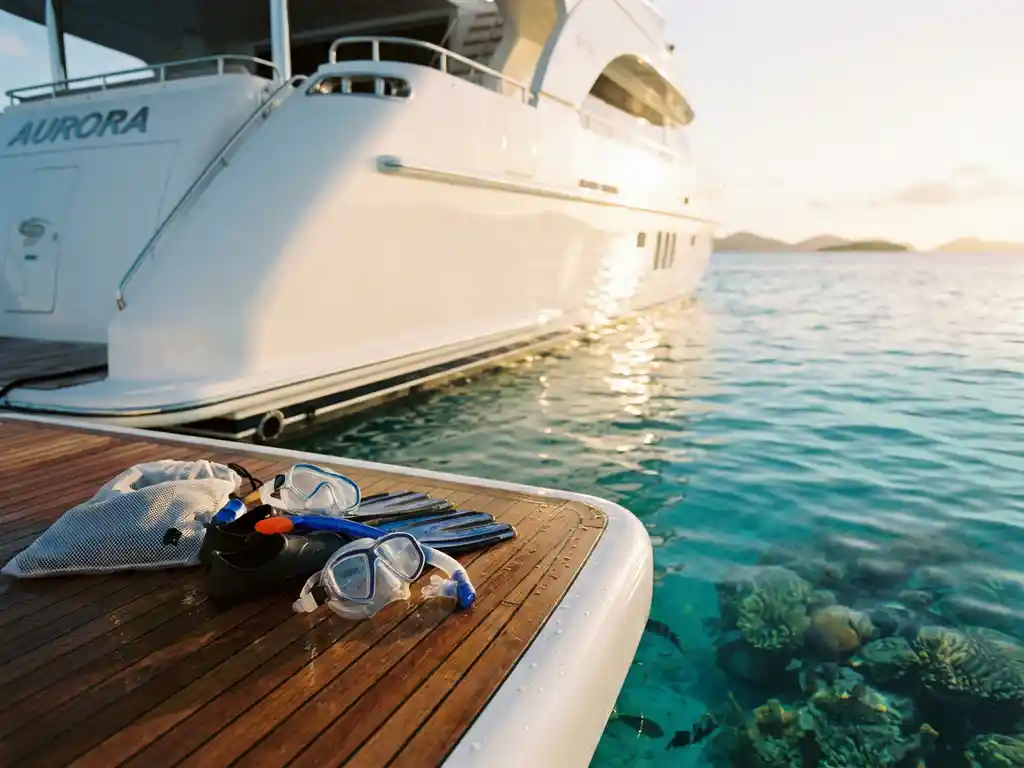
Snorkeling gear floating above colorful coral reef in turquoise Caribbean waters with tropical fish swimming below

What gear is essential for Aruba reef snorkeling?

Planning to explore Aruba’s stunning coral reefs? You’ll need three essential pieces of equipment: a well-fitting mask, comfortable snorkel, and properly sized fins. While many Aruba boat excursions provide quality gear, understanding what makes good snorkeling equipment ensures you’ll safely enjoy the island’s crystal-clear Caribbean waters and vibrant marine life. From choosing between traditional and full-face masks to deciding whether to rent or buy your own fins, this guide covers everything you need for an unforgettable reef snorkeling experience in Aruba’s tropical paradise.

Vibrant coral reef in Aruba with colorful tropical fish swimming among orange and purple corals in clear turquoise water

What makes Aruba’s reefs ideal for snorkeling?

Aruba’s reefs deliver exceptional snorkeling experiences thanks to the island’s position outside the hurricane belt, ensuring year-round calm waters with visibility reaching 60-100 feet. The arid climate produces minimal rainfall and no river runoff, maintaining crystal-clear conditions where sea turtles, colorful tropical fish, and healthy coral formations thrive. Unlike seasonal Caribbean destinations, Aruba offers consistent 78-82°F water temperatures and stable conditions perfect for both beginners and experienced snorkelers exploring natural reefs and the famous SS Antilla shipwreck.

Split-screen underwater view of Aruba's coral reef with tropical fish on left and sandy ocean floor with sea grass on right.

How do reef ecosystems differ from shipwreck sites in Aruba?

Aruba’s underwater world presents two captivating environments: living coral reefs built over centuries and historic shipwrecks transformed into marine habitats. Coral reefs showcase vibrant ecosystems with territorial fish and intricate formations, while shipwrecks like the SS Antilla offer dramatic structures where schools congregate and predators hunt. Each provides distinct snorkeling experiences—reefs deliver colorful biodiversity and accessible exploration, whilst wrecks combine adventure with historical intrigue. Both ecosystems contribute essential habitat for marine life and support Aruba’s conservation efforts. Exploring these contrasting underwater landscapes reveals the full spectrum of the island’s remarkable marine diversity.

Vibrant coral reef in Aruba's turquoise waters with tropical fish swimming among colorful corals and dramatic sunlight rays.

What factors affect reef visibility in Aruba?

Aruba’s reef visibility consistently ranks among the Caribbean’s best, with 20-30 metre clarity year-round. The island’s desert climate, protected leeward coast, and position outside the hurricane belt create stable conditions with minimal sediment and runoff. Water clarity depends on suspended particles, plankton levels, and weather patterns—factors that remain remarkably consistent in Aruba. Morning hours offer optimal viewing conditions when waters are calmest and sunlight illuminates vibrant coral formations. Understanding these visibility factors helps you choose the perfect timing for your snorkeling adventure.

Split-screen underwater view of Aruba snorkeling: vibrant coral reef with tropical fish on left, sandy ocean floor on right

What is the difference between coral reef snorkeling and shipwreck snorkeling in Aruba?

Coral reef snorkeling and shipwreck snorkeling in Aruba offer distinctly different underwater experiences. Reef snorkeling explores natural living ecosystems with vibrant coral formations and colourful tropical fish, whilst shipwreck snorkeling focuses on man-made structures like the famous SS Antilla that have transformed into artificial reefs. Both provide exceptional opportunities to discover Aruba’s Caribbean waters, each with unique underwater landscapes, marine life encounters, and visual characteristics that appeal to different snorkeling preferences.

Split-level view of Aruba's coral reef with tropical fish underwater and storm clouds gathering above turquoise Caribbean waters

How does hurricane season affect reef snorkeling in Aruba?

Worried about booking reef snorkeling during hurricane season? Aruba’s unique position outside the hurricane belt means you can snorkel with confidence year-round. Water visibility stays crystal-clear at 20-30 metres, temperatures remain warm at 26-29°C, and marine life thrives without weather disruptions. Unlike other Caribbean destinations, Aruba’s reefs experience virtually no hurricane impact from June to November. Learn why professional boat operators rarely cancel tours and which months offer the calmest conditions for your underwater adventure.

Snorkeler's hand near vibrant Caribbean coral reef with tropical fish in turquoise waters off Aruba's coast

Are there rules for touching coral during snorkeling excursions?

Touching coral during snorkeling is strictly prohibited because even gentle contact damages these fragile living organisms. Human oils, sunscreen residue, and physical pressure remove protective mucus layers, triggering infections that spread throughout reef sections. Some coral species grow less than an inch per year, meaning one careless touch destroys decades of development. Discover proper buoyancy techniques, reef-safe practices, and how responsible Aruba snorkeling tours protect Caribbean underwater ecosystems for future generations.