
What is the best reef for snorkeling in Aruba?
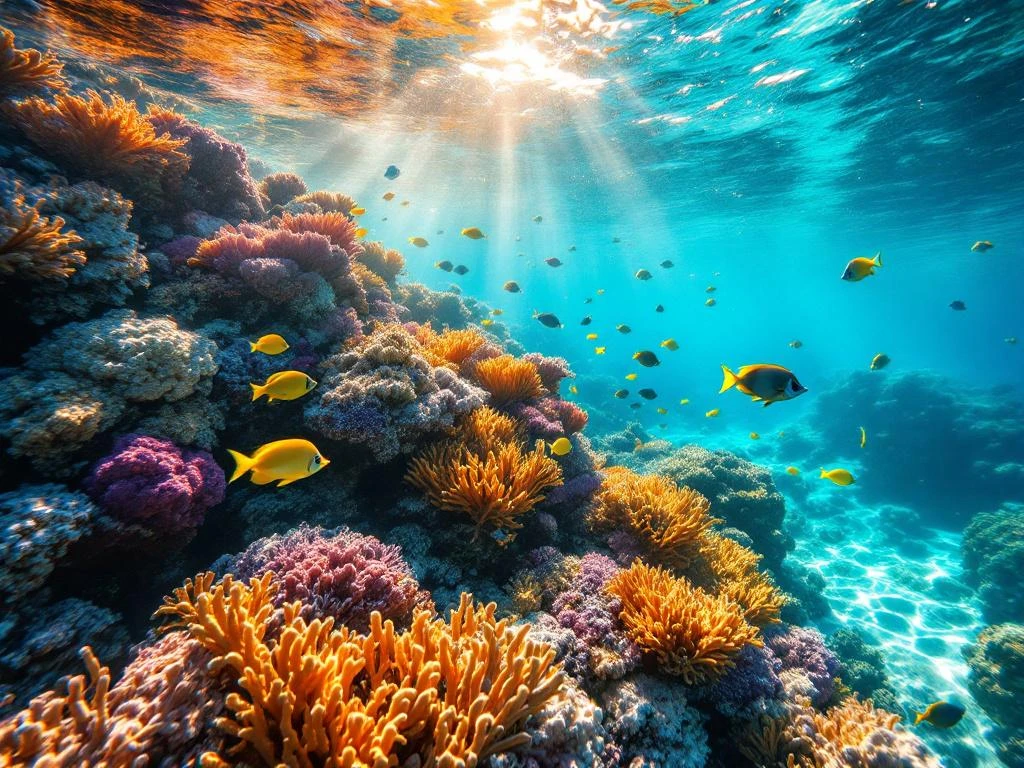
Boca Catalina reigns as Aruba’s premier snorkeling destination, offering crystal-clear waters with 30+ metre visibility, vibrant coral gardens, and abundant marine life including sea turtles and tropical fish. This sheltered northwest coast bay provides calm, shallow conditions perfect for all skill levels. Beyond Boca Catalina, explore exceptional sites like the SS Antilla shipwreck and Mangel Halto’s mangrove-fringed waters. Morning hours deliver optimal visibility, while guided boat excursions unlock remote reefs inaccessible from shore, complete with expert local knowledge.
Can you reach the best reefs without a boat excursion?
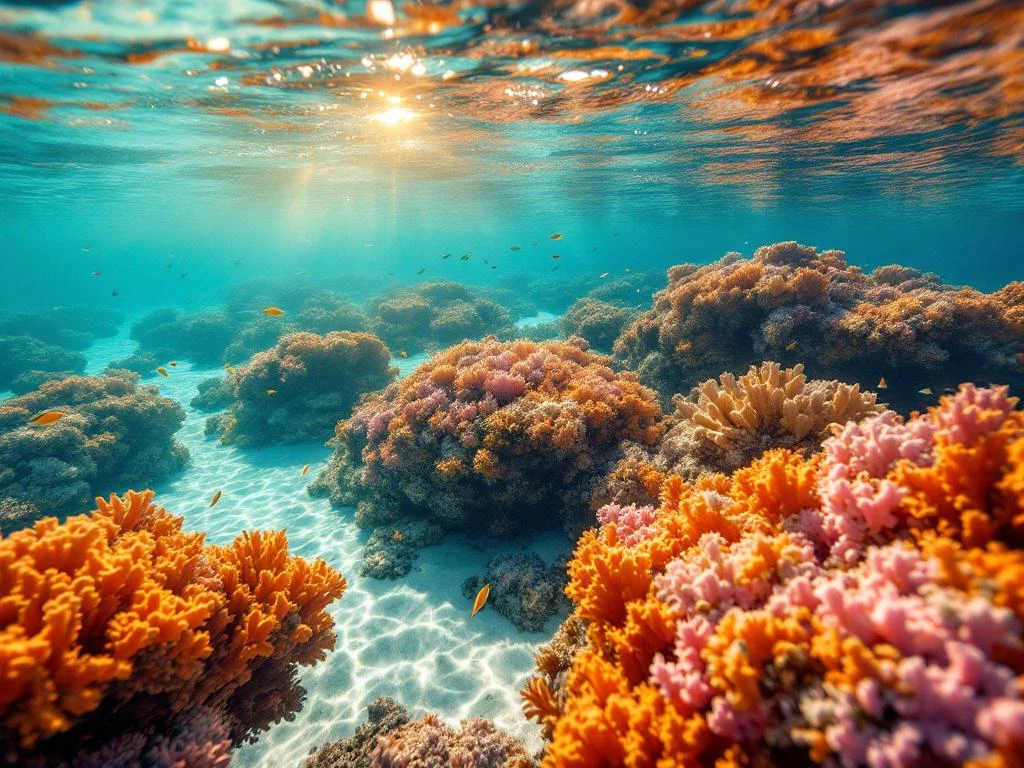
While Aruba’s shore-accessible reefs at Mangel Halto and Baby Beach offer enjoyable snorkeling, the island’s most pristine coral systems and diverse marine life require boat excursions. Offshore reefs feature healthier coral formations, crystal-clear visibility exceeding 20 metres, and frequent encounters with sea turtles, rays, and larger fish species. Shore sites face environmental pressures from beach activity and sediment, limiting coral vitality and marine diversity. Boat tours eliminate exhausting swims, visit multiple prime locations, and provide expert guidance to Aruba’s most spectacular underwater scenery—making them the superior choice for experiencing the Caribbean’s finest reef ecosystems.
What depth is considered safe for recreational reef snorkeling?
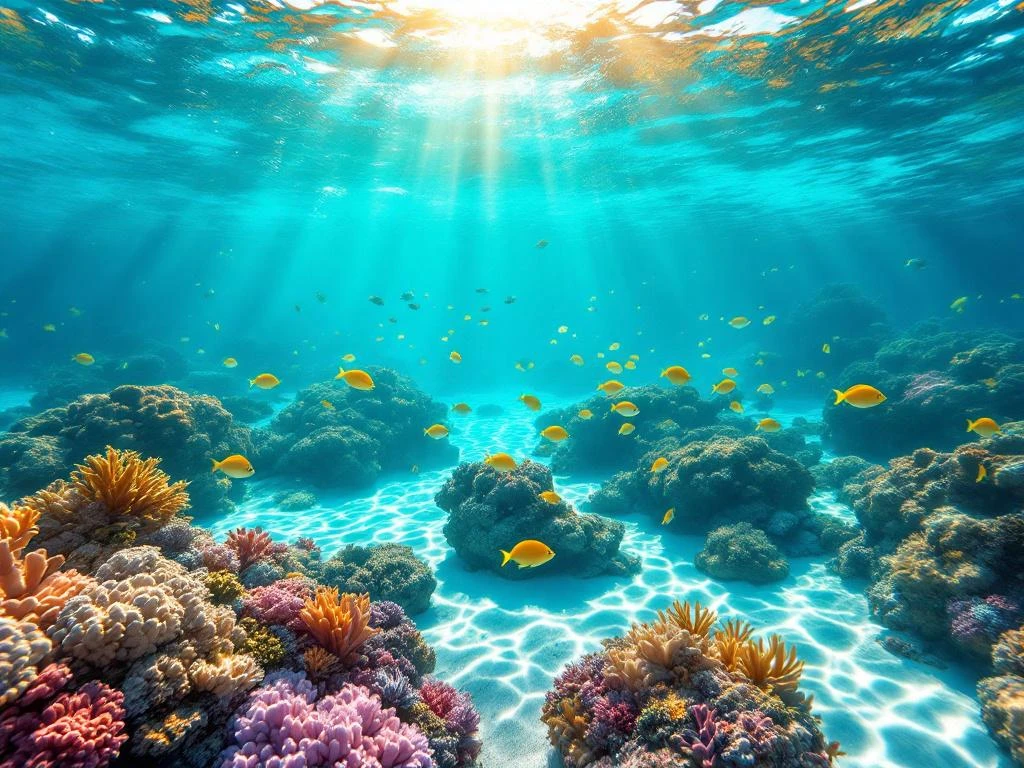
Recreational reef snorkeling is safest between 5 and 30 feet, with the sweet spot at 8 to 15 feet deep. This depth range delivers vibrant coral reefs, abundant tropical fish, and easy surface access without requiring advanced training. Shallow waters provide excellent visibility, comfortable breath-holding times, and minimal pressure concerns. Discover why professional tour operators focus on these depths and what risks emerge when snorkeling too deep without proper skills. Perfect for beginners and experienced snorkelers exploring destinations like Aruba’s crystal-clear Caribbean reefs.
Do all boat excursions visit multiple reefs?
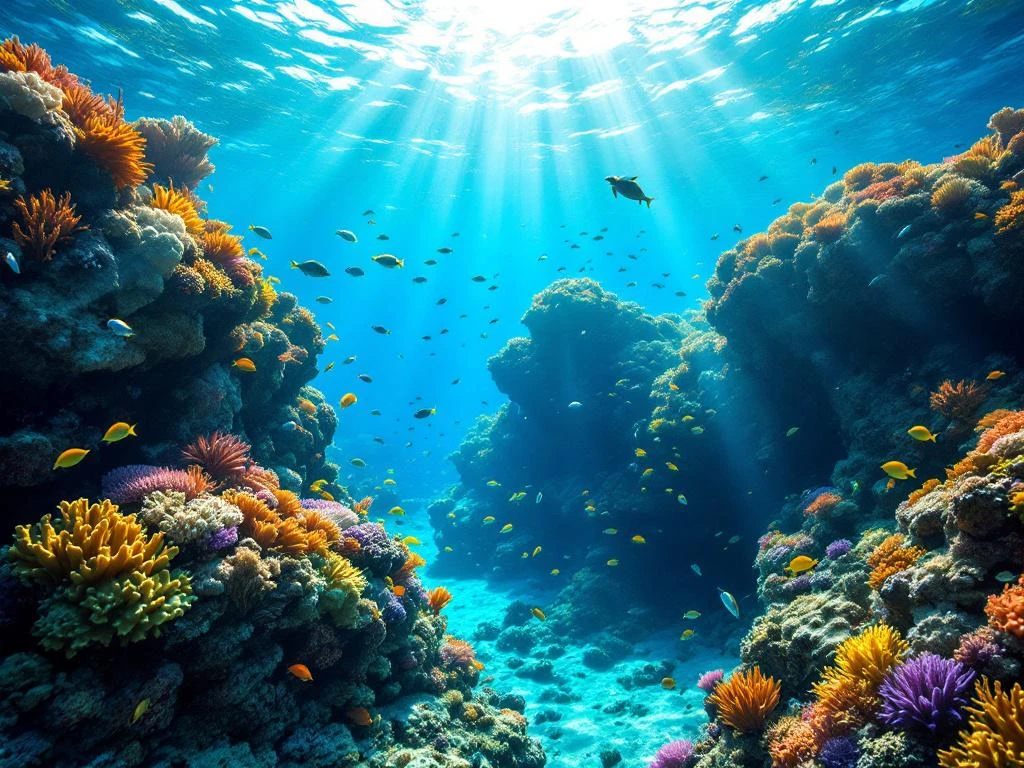
Not all boat excursions visit multiple reefs in Aruba. Tour duration, vessel type, and operator focus determine whether you’ll explore one exceptional reef or several snorkeling sites. Single-reef tours offer 45-90 minutes of unhurried exploration at premium locations, while multi-reef excursions showcase 2-4 diverse marine environments with 20-40 minutes per stop. Dedicated snorkeling charters typically visit the most reefs (3-5 stops), while combination sailing adventures balance reef exploration with other experiences. Your choice depends on snorkeling skill level, physical fitness, and whether you prefer depth of experience or variety of underwater landscapes.
Do boat excursions visit reefs at varying depths?
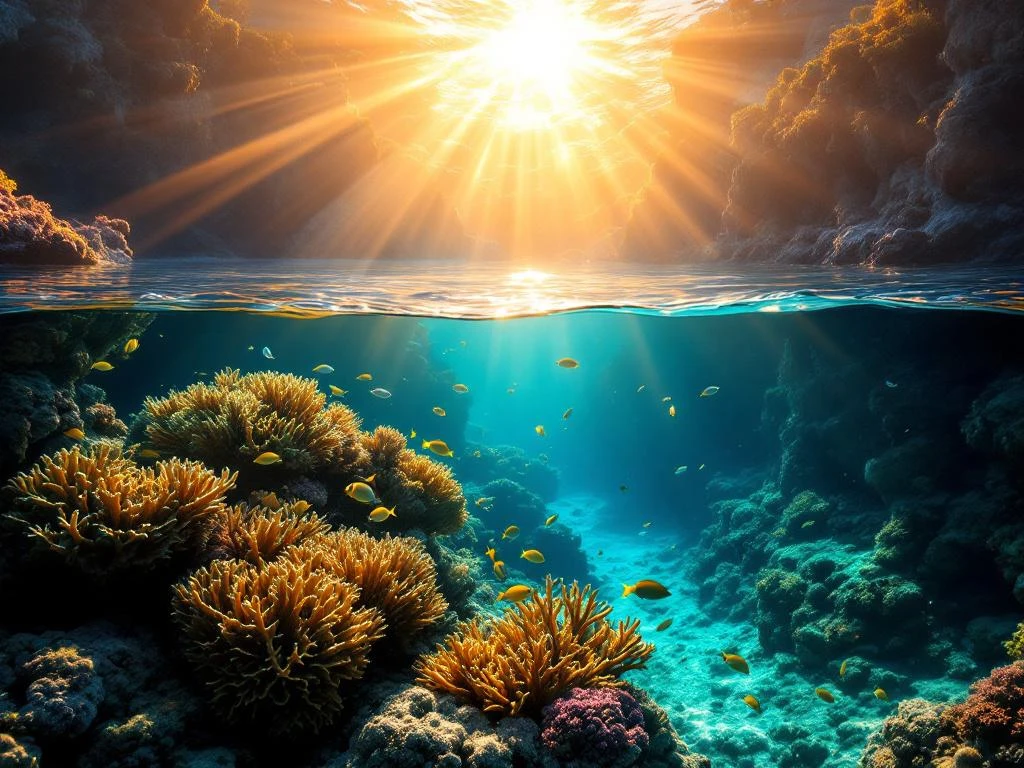
Boat excursions visit reefs at multiple depths to accommodate everyone from first-time snorkelers to experienced swimmers. Shallow zones of 5-15 feet offer calm, accessible conditions with vibrant coral and tropical fish, while intermediate depths of 20-40 feet reveal sea turtles, larger species, and dramatic underwater landscapes. Understanding reef depth zones helps you choose the perfect Caribbean snorkeling experience matched to your comfort level and adventure preferences.
How deep is the water at Boca Catalina for reef snorkeling?
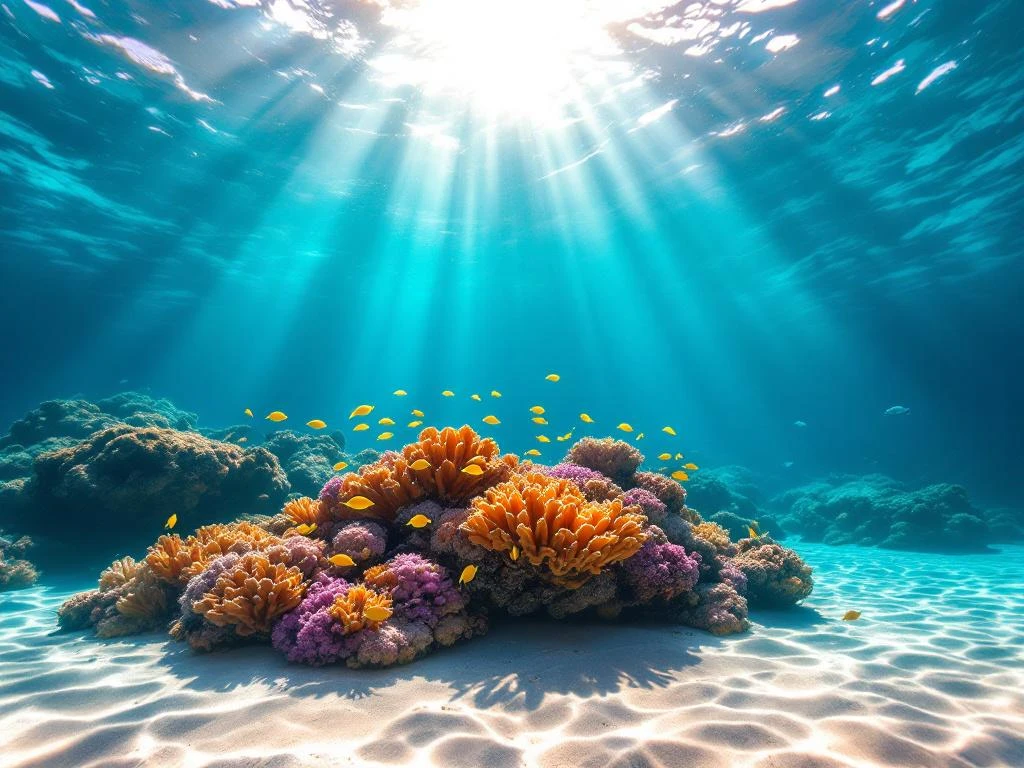
Boca Catalina features water depths of 5 to 15 feet throughout its main snorkeling zone, creating ideal conditions for all experience levels. The shallow, gradually deepening reef starts in comfortable standing depth near shore, allowing nervous beginners to build confidence while providing vibrant coral formations and tropical fish viewing without deep water concerns. Clear Caribbean visibility, calm protected waters, and immediate reef access make this Aruba snorkeling destination uniquely welcoming compared to other island locations.
What are the benefits of freediving versus snorkeling at reefs?
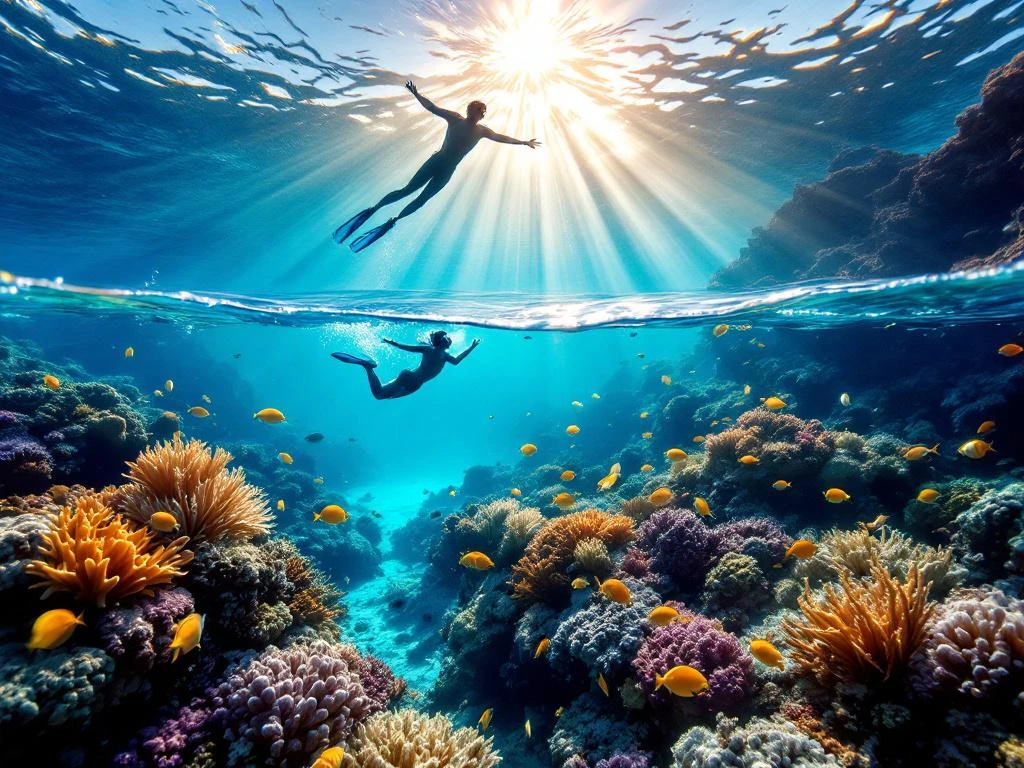
Both freediving and snorkeling unlock access to vibrant coral reefs, but they offer vastly different experiences. Snorkeling keeps you comfortably at the surface with continuous breathing, making it perfect for beginners and families exploring Caribbean waters. Freediving takes you deeper into the underwater world through breath-hold diving, offering intimate marine encounters but requiring proper training and physical conditioning. Whether you’re planning your first reef adventure or seeking a new challenge, understanding these key differences helps you choose the approach that matches your abilities, vacation timeline, and desired connection with Aruba’s spectacular underwater ecosystems.
Is freediving allowed at snorkeling reefs in Aruba?
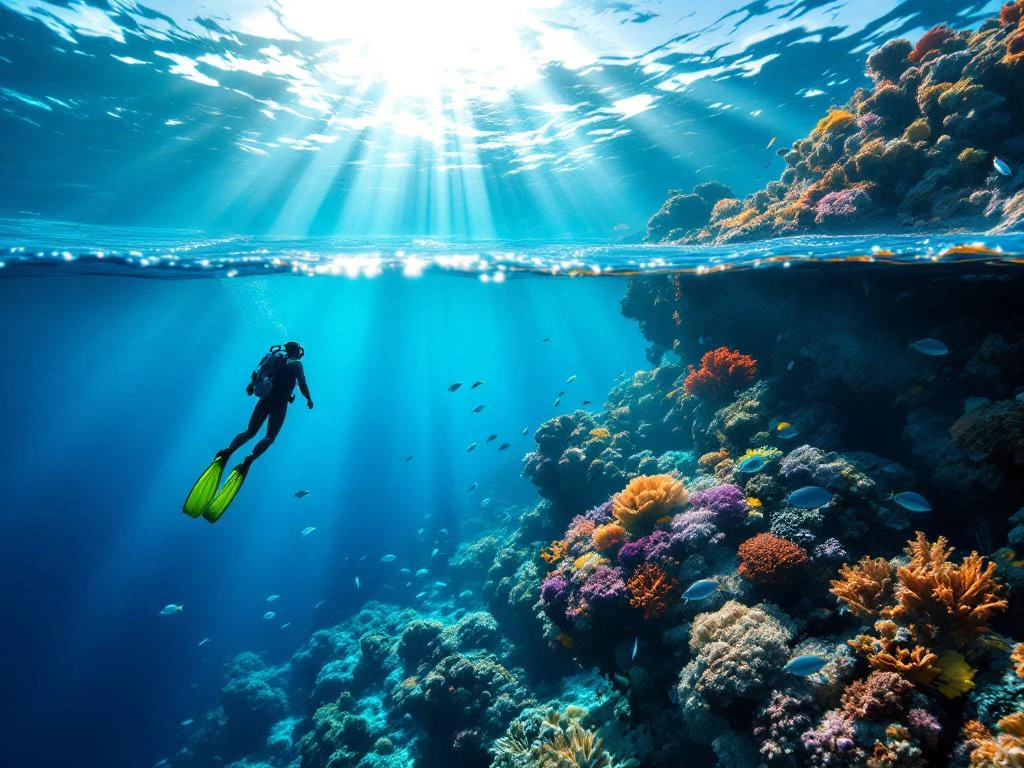
Freediving is generally allowed at snorkeling reefs in Aruba, with most popular sites welcoming breath-hold divers who follow safety protocols and respect marine protected areas. While snorkeling keeps you at the surface, freediving lets you explore Aruba’s reefs at depth—typically 3-8 metres at popular locations like Boca Catalina and the Antilla shipwreck. No special permits are required, though understanding current conditions, boat traffic awareness, and proper equalisation techniques enhances safety. Tour operators accommodate varying skill levels, providing equipment and guidance for both surface snorkelers and confident freedivers exploring deeper reef features.
Can you freedive during Aruba boat excursions?
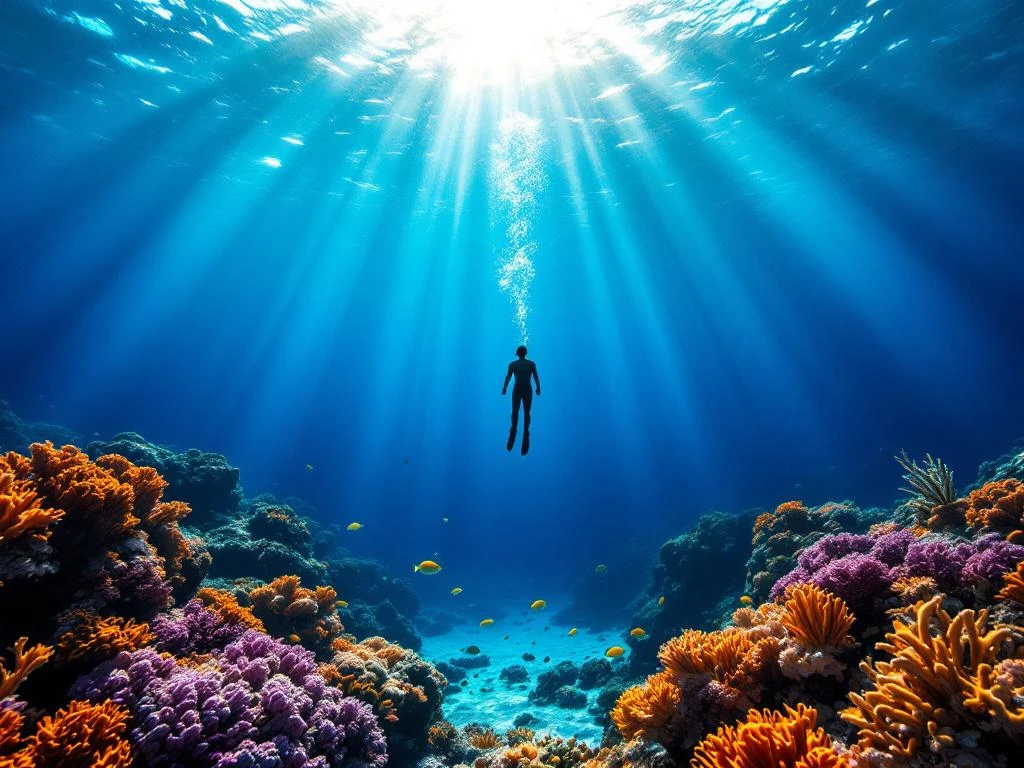
Yes, you can freedive during most Aruba boat excursions! While these tours primarily market snorkeling experiences, guests with freediving skills are welcome to explore deeper during designated water stops. The crystal-clear Caribbean waters offer excellent visibility, with locations like the SS Antilla shipwreck and Boca Catalina reef providing depths of 5-20 metres—perfect for recreational freediving. Learn essential safety considerations, what equipment to bring, and how to communicate your freediving plans with tour operators for an unforgettable underwater adventure.
Are there months when reef snorkeling is not recommended?
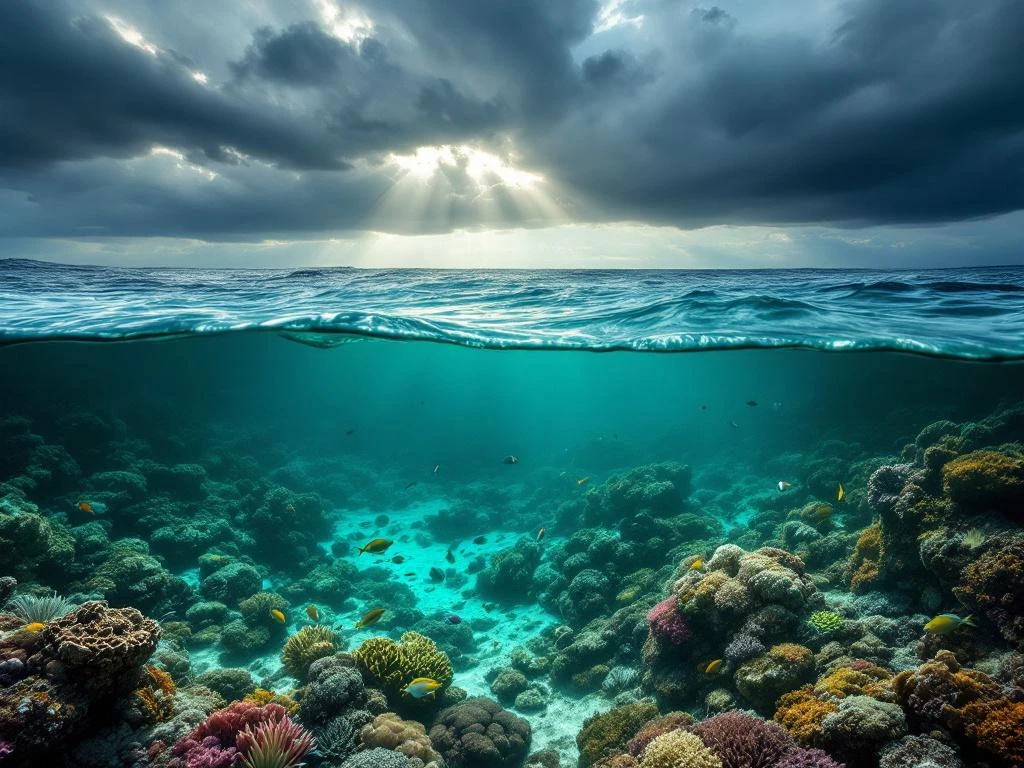
Wondering if there are months when reef snorkeling isn’t recommended in Aruba? Great news—the island’s position outside the hurricane belt means year-round snorkeling with consistently calm, clear waters and stable 78-84°F temperatures. Unlike other Caribbean destinations with dramatic seasonal changes, Aruba offers excellent visibility and vibrant marine life every month. While April-August delivers peak conditions with 80-100 feet visibility, even December-March maintains 60-80 feet clarity. Discover why Aruba’s unique geography makes it the Caribbean’s most reliable snorkeling destination.