
What is the difference between guided and self-guided reef snorkeling?
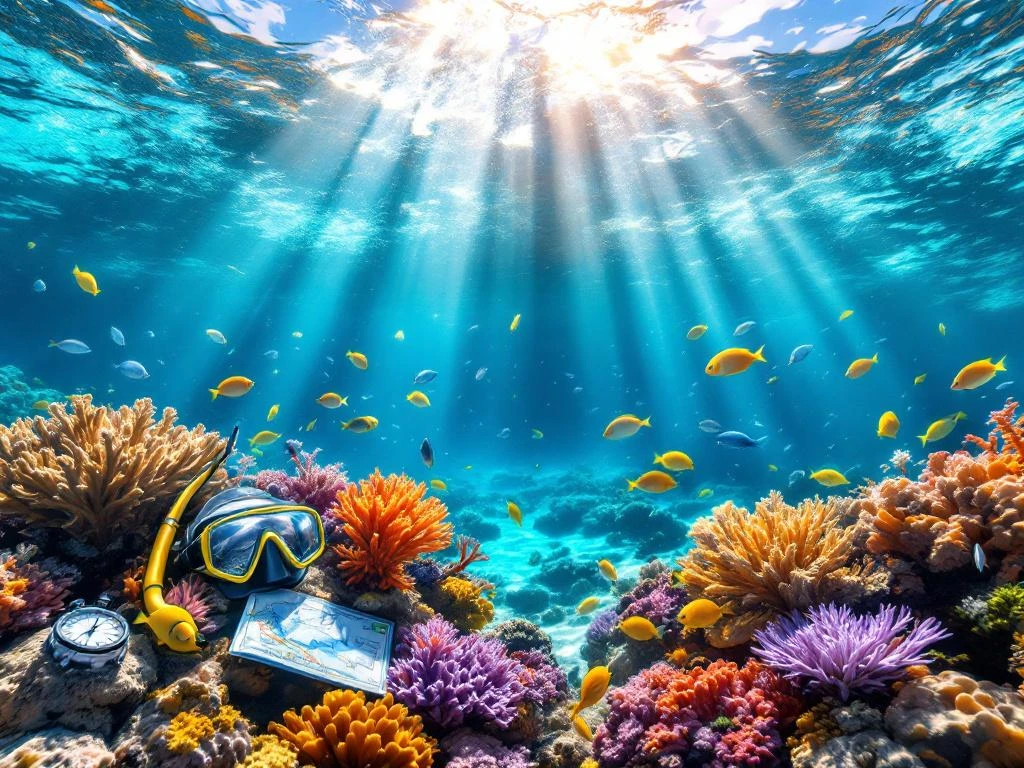
Guided reef snorkeling offers professional supervision, safety briefings, and marine life education with experienced crew leading you to the best spots. Self-guided snorkeling provides freedom to explore independently but requires personal responsibility for equipment, safety, and location selection. Your choice depends on swimming ability, ocean confidence, familiarity with the destination, and whether you’re traveling with varying skill levels. First-timers and families typically benefit from guided experiences, while confident ocean swimmers may prefer self-guided flexibility.
What should you know before reef snorkeling in Aruba?
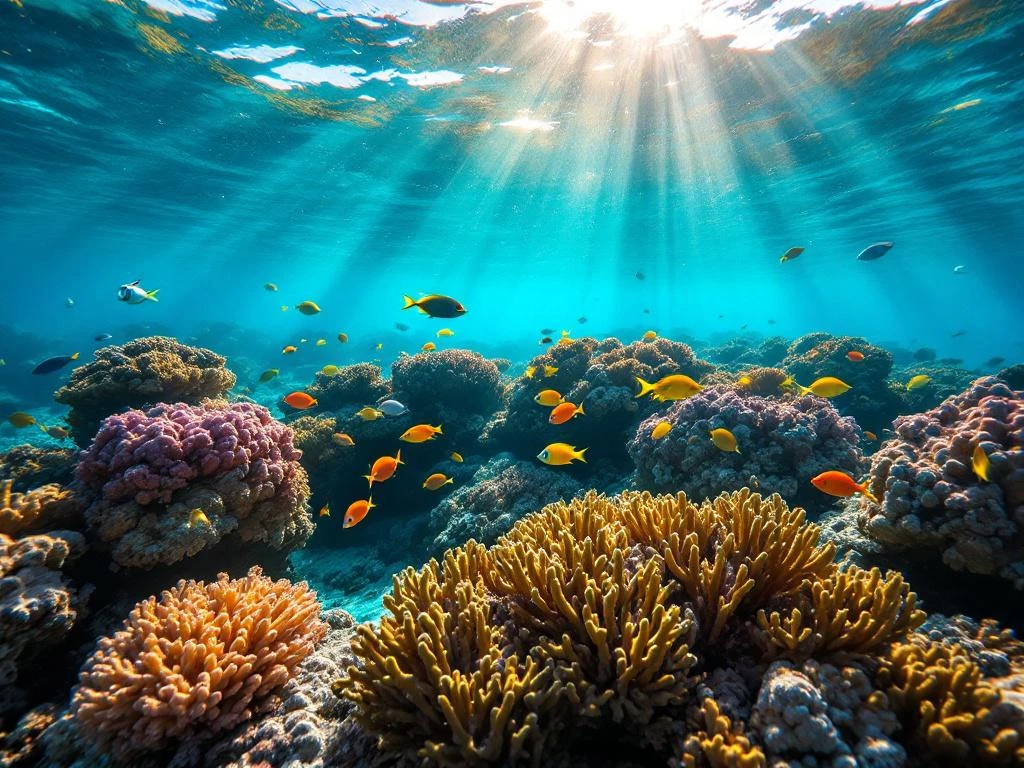
Aruba’s reef snorkeling offers crystal-clear waters with 30-metre visibility, thriving coral ecosystems, and diverse marine life including sea turtles and tropical fish. Located outside the hurricane belt, the island provides consistent year-round conditions perfect for all skill levels. From the famous SS Antilla shipwreck to protected sites like Boca Catalina, you’ll need proper equipment, reef-safe sunscreen, and knowledge of safety protocols to maximize your experience while preserving these stunning underwater environments.
How do you prepare for reef snorkeling in Aruba?
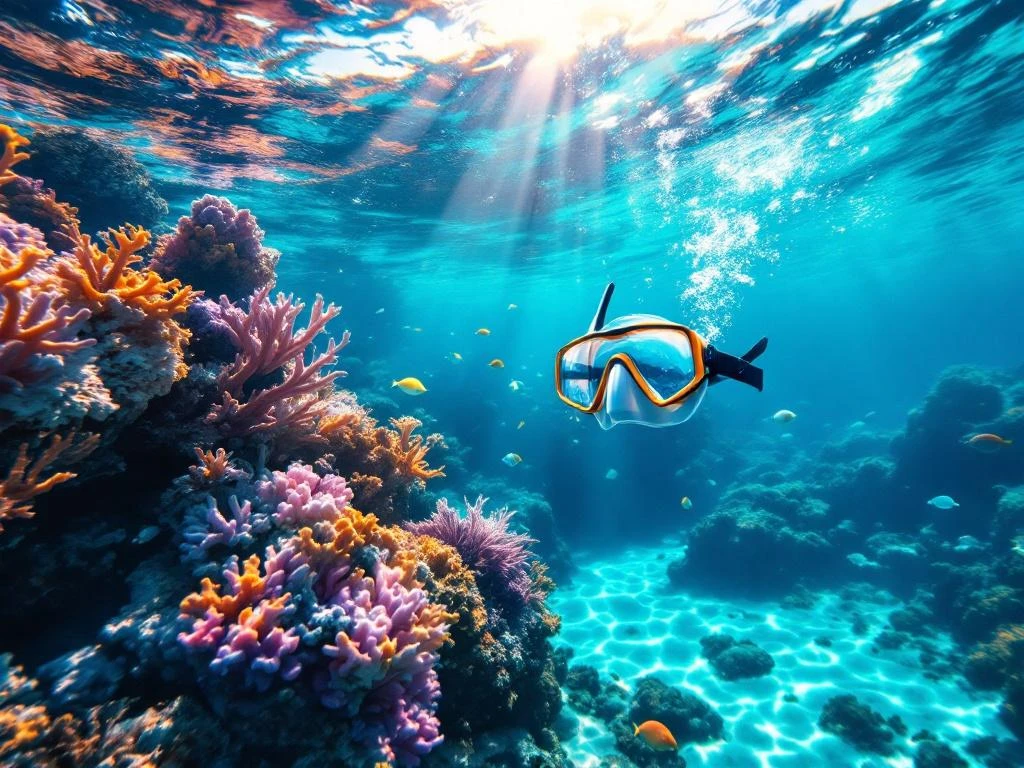
Preparing for reef snorkeling in Aruba transforms your underwater adventure from stressful to spectacular. This comprehensive guide covers everything you need: proper equipment selection, breathing techniques for beginners, physical preparation tips, Aruba’s exceptional reef conditions, and essential safety protocols. Whether you’re a first-timer or occasional snorkeler, discover how to choose between tour-provided or personal gear, practice comfortable breathing, protect yourself from sun exposure with reef-safe products, and plan your snorkeling day for optimal conditions. Learn what marine life awaits in Aruba’s crystal-clear Caribbean waters and how thoughtful preparation ensures you’ll spend more time enjoying vibrant coral reefs and tropical fish, and less time worrying about technique or equipment.
Can you snorkel at reefs during high tide or low tide?
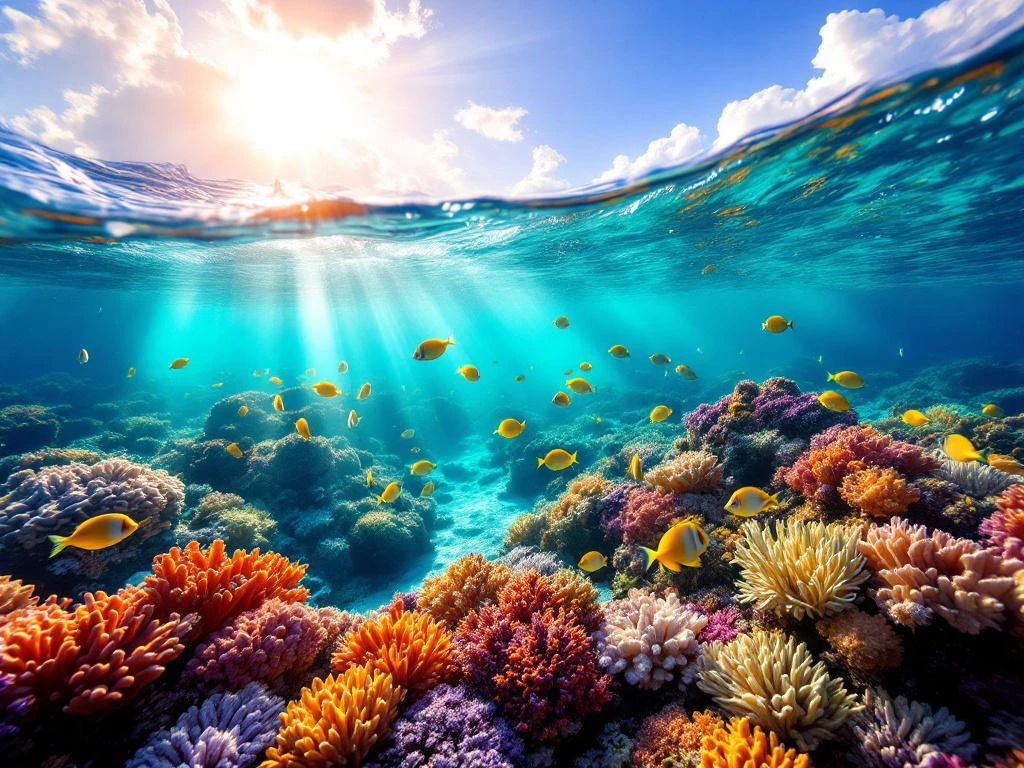
You can snorkel at reefs during both high tide and low tide, each offering unique advantages. High tide provides deeper water with stronger currents and better coral clearance, while low tide brings calmer conditions with exceptional visibility for observing intricate reef details. The ideal choice depends on your skill level and what you want to see underwater. Understanding tidal differences helps you plan safer, more rewarding snorkeling adventures with optimal conditions for marine life encounters.
What colors of coral will you see reef snorkeling in Aruba?
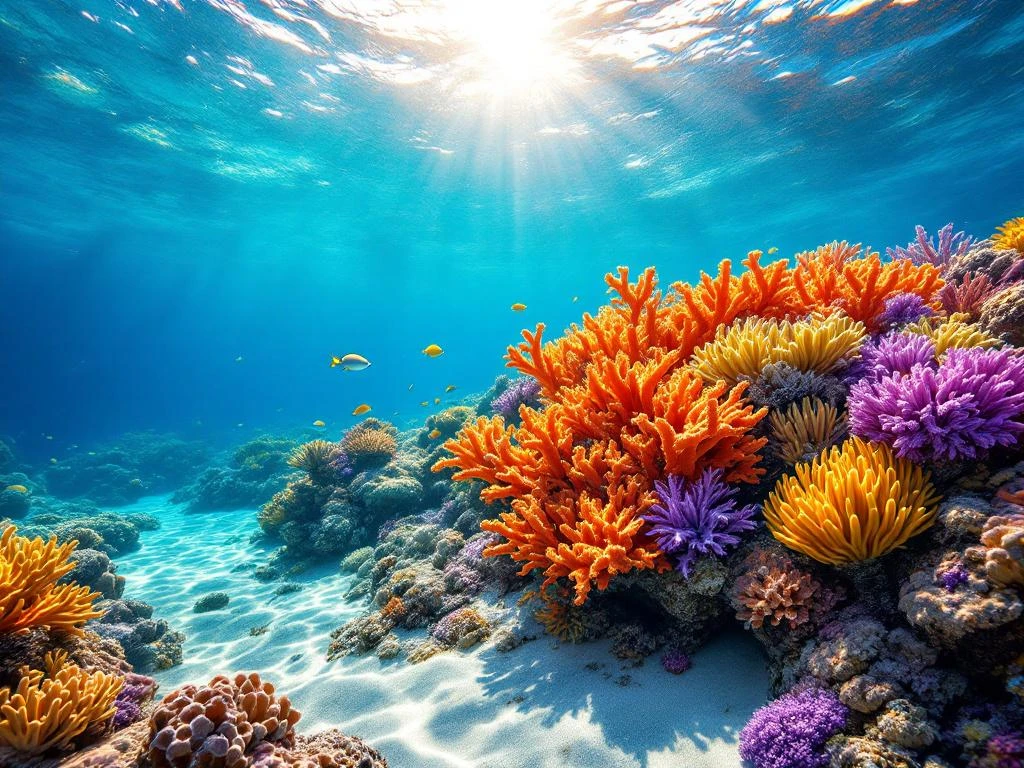
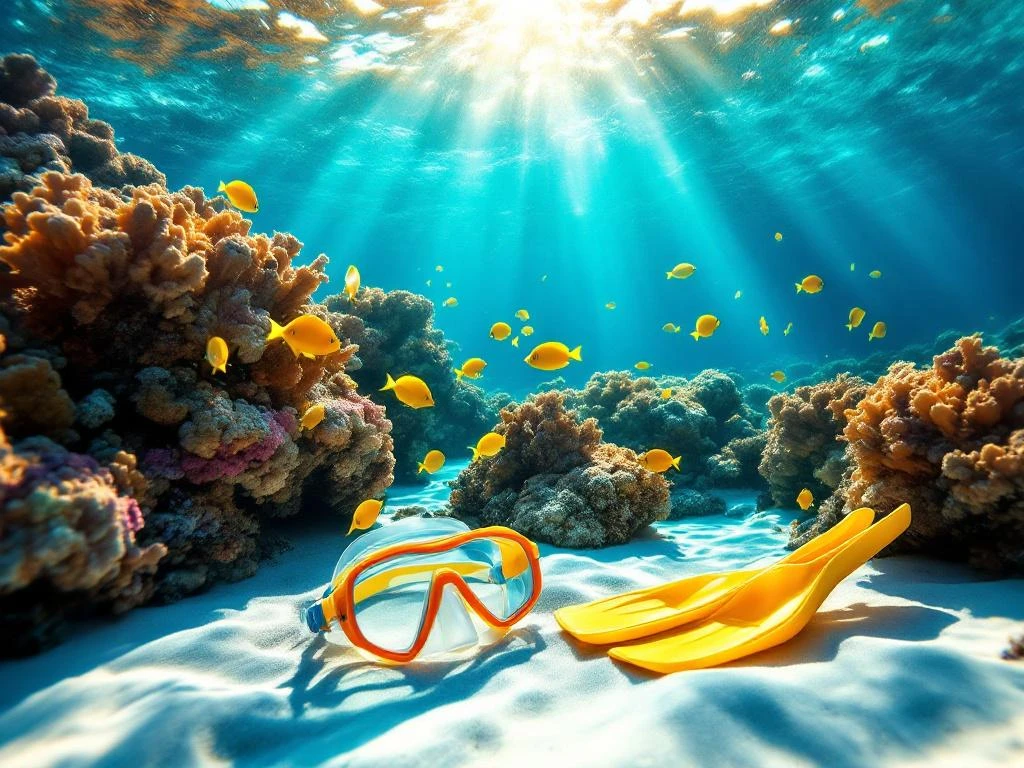
Aruba’s underwater reefs showcase a stunning spectrum of coral colors, from golden-brown elkhorn corals and purple sea fans to bright yellow tube sponges and green brain corals. The intensity of these colors depends on water depth, lighting conditions, and time of day, with mid-morning offering the most vibrant views. Healthy Caribbean corals display this natural rainbow thanks to symbiotic algae and fluorescent proteins. Discover the best snorkeling locations like Boca Catalina and Mangel Halto, where protected marine environments preserve these colorful underwater treasures for unforgettable reef exploration experiences.
Do you need a wetsuit for reef snorkeling in Aruba?
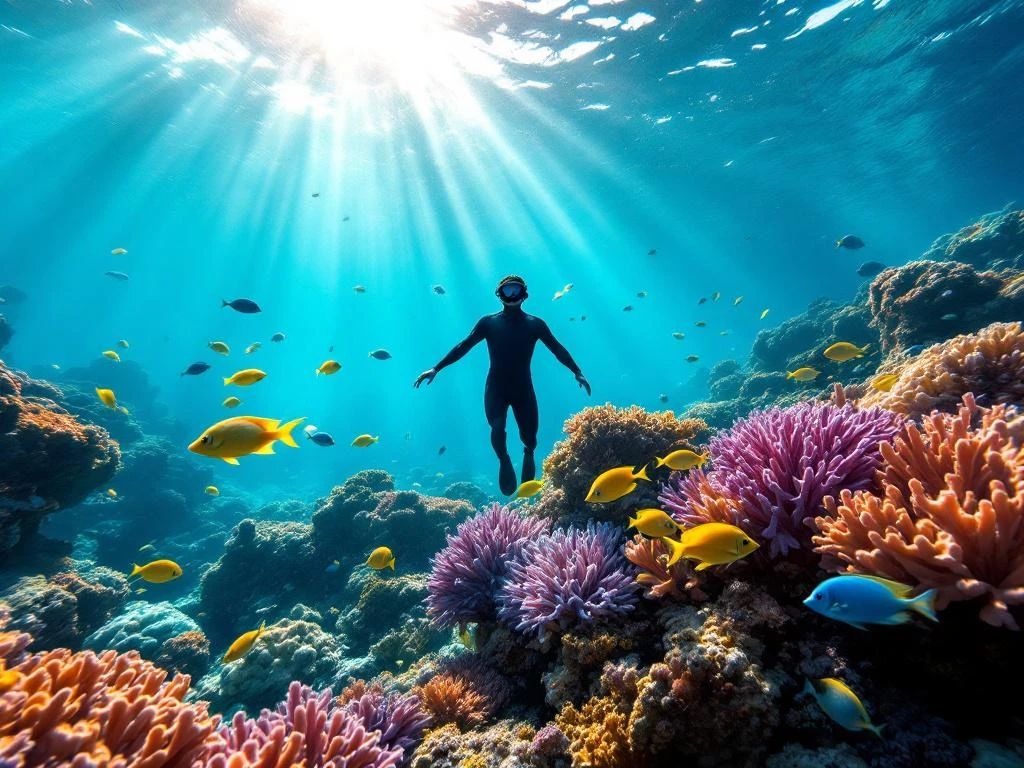
Planning a snorkeling adventure in Aruba? You can leave the wetsuit at home. Aruba’s Caribbean waters maintain a comfortable 78-82°F (26-28°C) year-round, making thermal protection unnecessary for reef exploration. Most snorkelers opt for lightweight rash guards and UV-protective swim shirts instead, which provide excellent sun protection without the bulk and heat retention of wetsuits. These alternatives offer the perfect balance of comfort and protection for extended snorkeling sessions at Aruba’s stunning reefs. Discover what local experts and tour operators recommend wearing for the ultimate Caribbean snorkeling experience.
Why do boat excursions access better reefs than shore snorkeling?
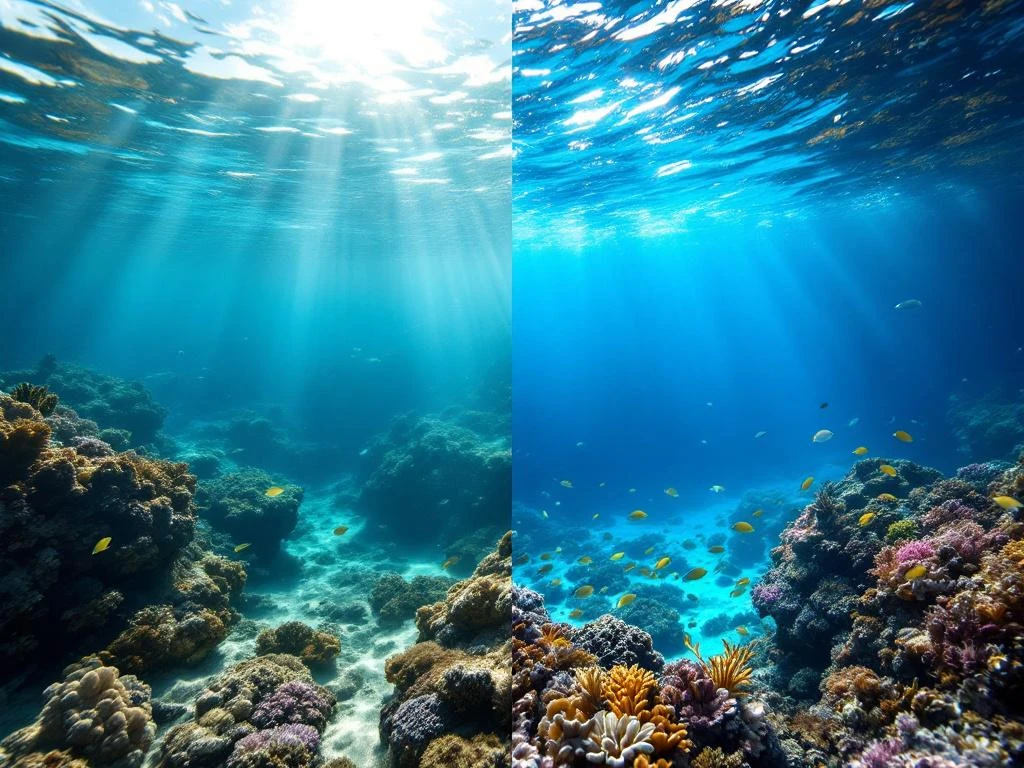
Boat excursions transport snorkelers to offshore reefs that remain dramatically healthier than shore-accessible areas. These pristine sites benefit from reduced foot traffic, superior water quality, and protection from chemical pollution that plagues popular beaches. Distance from shore creates thriving ecosystems with exceptional coral formations, crystal-clear visibility exceeding 20 meters, and abundant marine life including sea turtles, rays, and colorful tropical fish. Professional boat tours efficiently access multiple premium locations where controlled visitor numbers preserve reef health while delivering unforgettable underwater experiences impossible to find near crowded beach entry points.
Can you snorkel multiple reefs in one boat excursion?

Yes, you can explore multiple reefs during a single Aruba boat excursion. Most quality tours visit 2-4 distinct reef locations in 3-4 hours, showcasing diverse coral formations, varied marine life, and contrasting underwater landscapes. This approach maximizes your underwater exploration while revealing how dramatically Caribbean reef systems differ within just a few nautical miles—perfect for travelers wanting comprehensive snorkeling experiences without booking multiple separate trips.
How does drift snorkeling differ from stationary reef snorkeling?
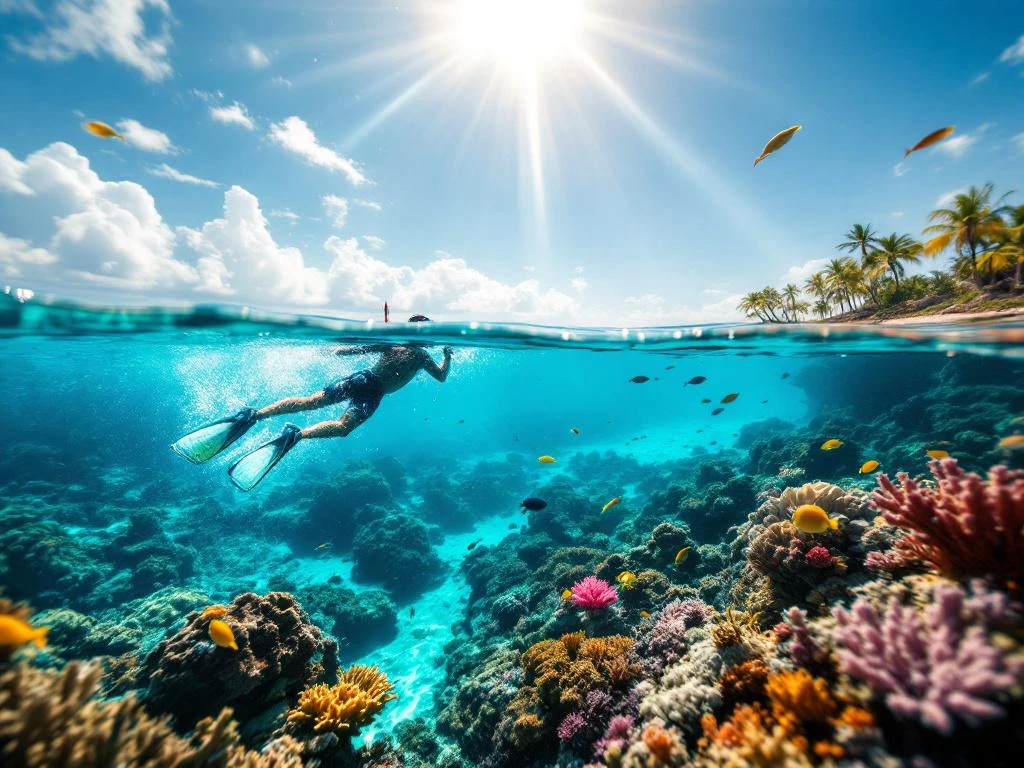
Drift snorkeling and stationary reef snorkeling offer distinct underwater experiences. Drift snorkeling harnesses natural ocean currents to carry you effortlessly along extensive reef sections, covering hundreds of meters without exhausting swimming. Stationary reef snorkeling anchors near a specific location, letting you control your pace and thoroughly examine concentrated areas. The techniques differ dramatically in physical effort, distance covered, and marine life observation patterns. Drift snorkeling suits beginners seeking relaxed exploration, while stationary snorkeling appeals to those wanting detailed investigation of specific reef features.
What is the minimum age for Aruba reef snorkeling tours?
Most Aruba reef snorkeling tours welcome children aged four to six years old, though requirements vary by operator based on tour duration, water conditions, and safety protocols. Understanding these age restrictions helps families choose safe, enjoyable snorkeling adventures suited to their children’s swimming ability and comfort level. Some operators accommodate younger children in shallow, protected areas with proper supervision and flotation devices, whilst others set higher minimums for deeper sites. Assessing your child’s swimming competency, equipment comfort, and emotional readiness ensures everyone enjoys Aruba’s stunning underwater world safely.