
What can you see at shallow reefs versus deep reefs?
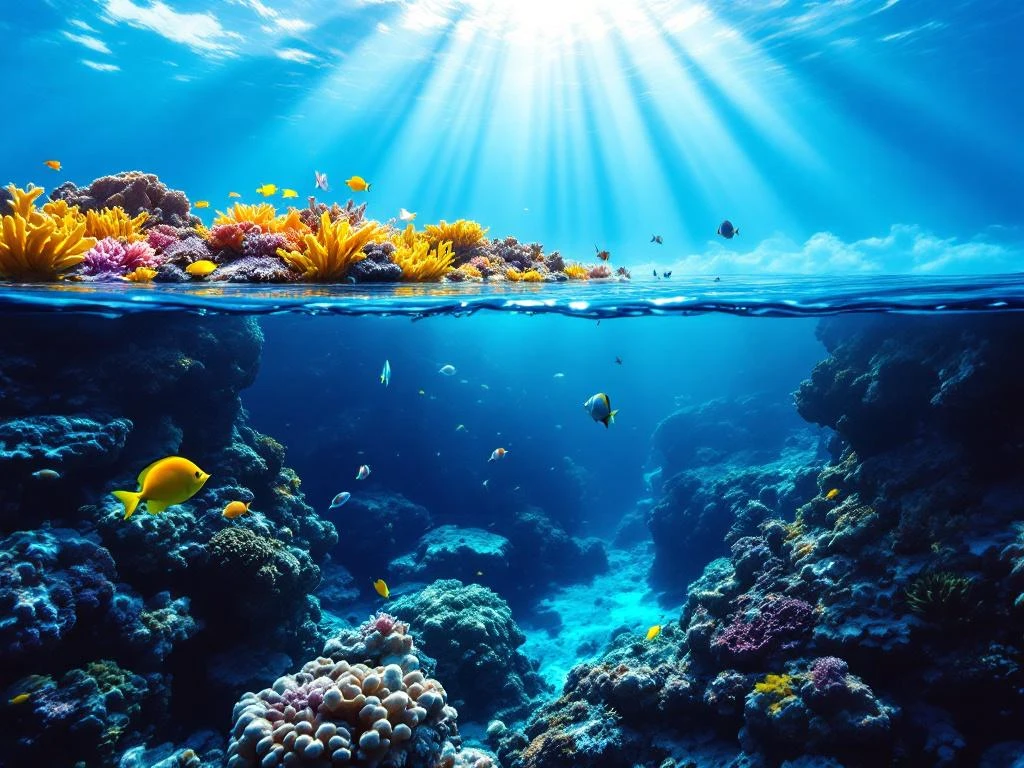
Shallow reefs and deep reefs offer completely different underwater experiences in Aruba. Shallow reefs (0-30 feet) burst with colourful tropical fish, vibrant corals, and sea turtles—perfect for snorkellers of all abilities. Deep reefs (30+ feet) host larger species like barracudas, eagle rays, and nurse sharks in cooler, darker environments that require scuba certification. Understanding these differences helps you choose the right reef adventure based on your experience level and what marine life you want to encounter during your Caribbean holiday.
When is the best time to see bioluminescence while snorkeling?
Witnessing bioluminescence while snorkeling requires perfect timing. The most spectacular displays occur during new moon phases, one to two hours after sunset, when complete darkness allows the subtle blue-green glow of dinoflagellates to shine brilliantly. Summer through autumn offers peak viewing in Caribbean waters as warmer temperatures encourage plankton blooms. Understanding moon phases, seasonal patterns, and choosing locations away from light pollution dramatically increases your chances of experiencing this magical natural phenomenon.
What anti-fog solutions work best for snorkeling masks?
Foggy snorkeling masks ruin underwater adventures, but the right anti-fog solution changes everything. Commercial sprays and gels offer 30-60 minutes of clarity, while baby shampoo and traditional saliva provide effective natural alternatives for 20-40 minutes. The secret to crystal-clear vision combines proper mask preparation using the toothpaste method with consistent pre-dive treatment. Whether you’re exploring Caribbean reefs or local waters, understanding why masks fog and how different solutions work helps you choose the perfect approach for fog-free snorkeling every time.
How do reef structures affect snorkeling experiences?
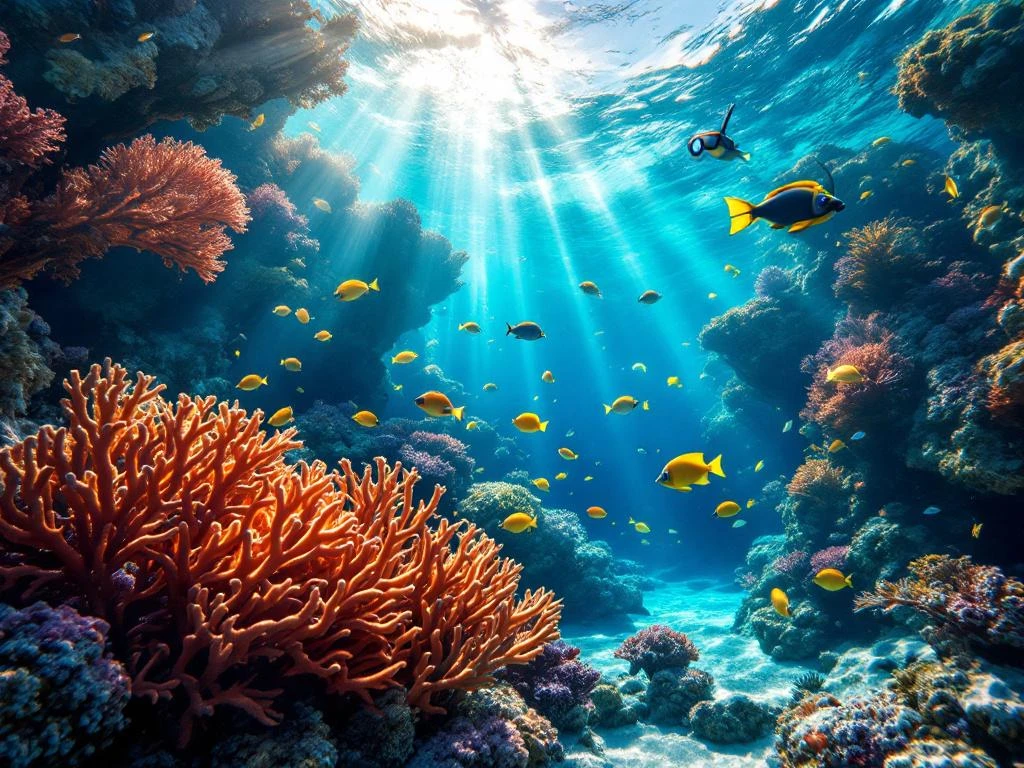
Reef structures transform snorkeling from ordinary to extraordinary by creating diverse marine habitats that concentrate colourful fish and sea creatures. From natural coral formations to artificial shipwrecks like Aruba’s famous SS Antilla, these underwater features determine visibility, species diversity, and overall adventure quality. Understanding how different reef types—fringing reefs, barrier reefs, and patch reefs—affect marine life behaviour helps you choose ideal snorkeling locations matched to your skill level. Complex reef topography with caves, channels, and varied depths provides both visual interest and optimal viewing opportunities, making Aruba’s protected Caribbean reef structures perfect for unforgettable underwater exploration.
What is the best time of year for reef snorkeling in Aruba?
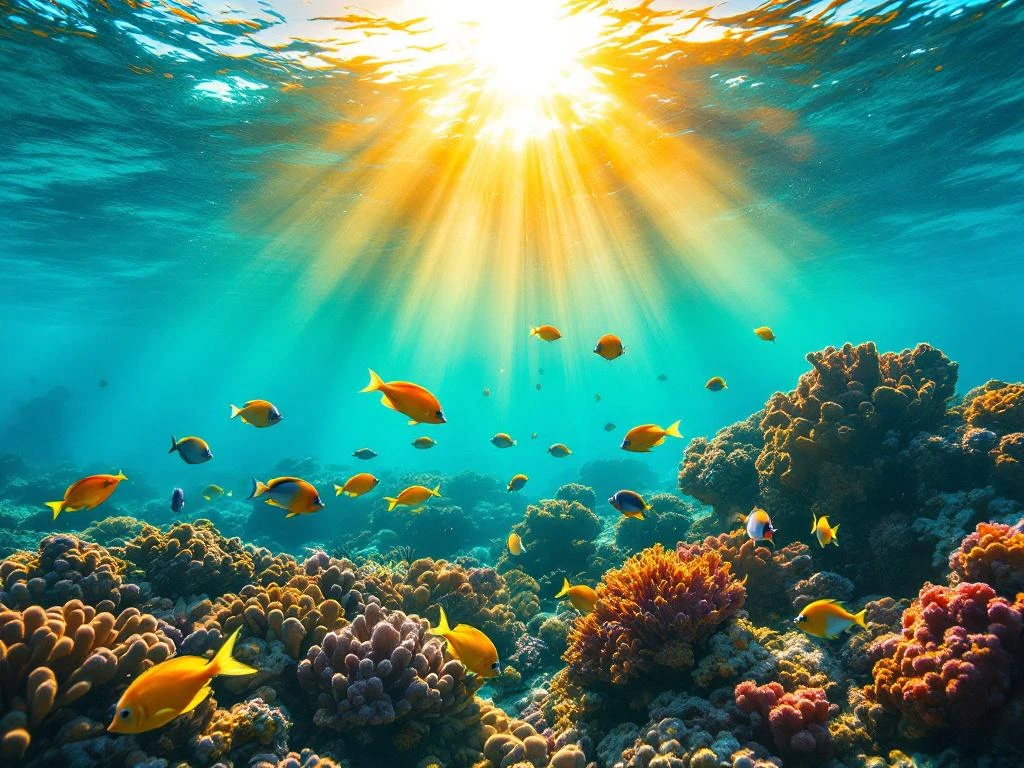
Aruba’s unique position outside the hurricane belt makes it a snorkeling paradise 365 days a year. While January through August delivers peak visibility of 60-100 feet, the island’s protected western coastline and stable 78-84°F waters ensure excellent conditions year-round. Whether you’re seeking vibrant coral reefs, sea turtle encounters, or colorful tropical fish, Aruba’s consistent weather patterns and thriving marine ecosystem deliver memorable underwater experiences regardless of season. Morning excursions offer optimal clarity and active marine life across all months.
What pressure equalization techniques work for reef snorkeling?
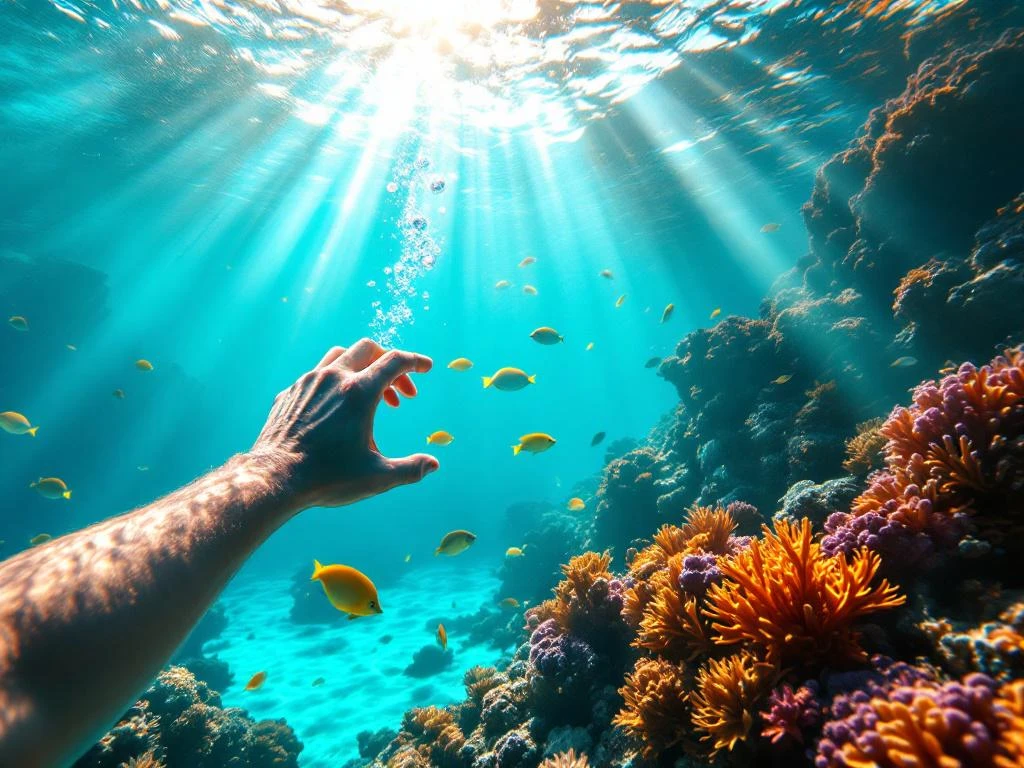
Pressure equalization techniques help snorkelers balance air pressure in their ears and sinuses as they descend underwater. The most common method involves gently pinching your nose and blowing softly while diving down. Learn the Valsalva, Toynbee, and Frenzel maneuvers to prevent discomfort and injury during reef snorkeling. Discover when to equalize, what to do if techniques fail, and how to prepare for exploring Aruba’s vibrant underwater environments at depths of 10 to 20 feet comfortably and safely.
How far offshore are Aruba’s best snorkeling reefs?
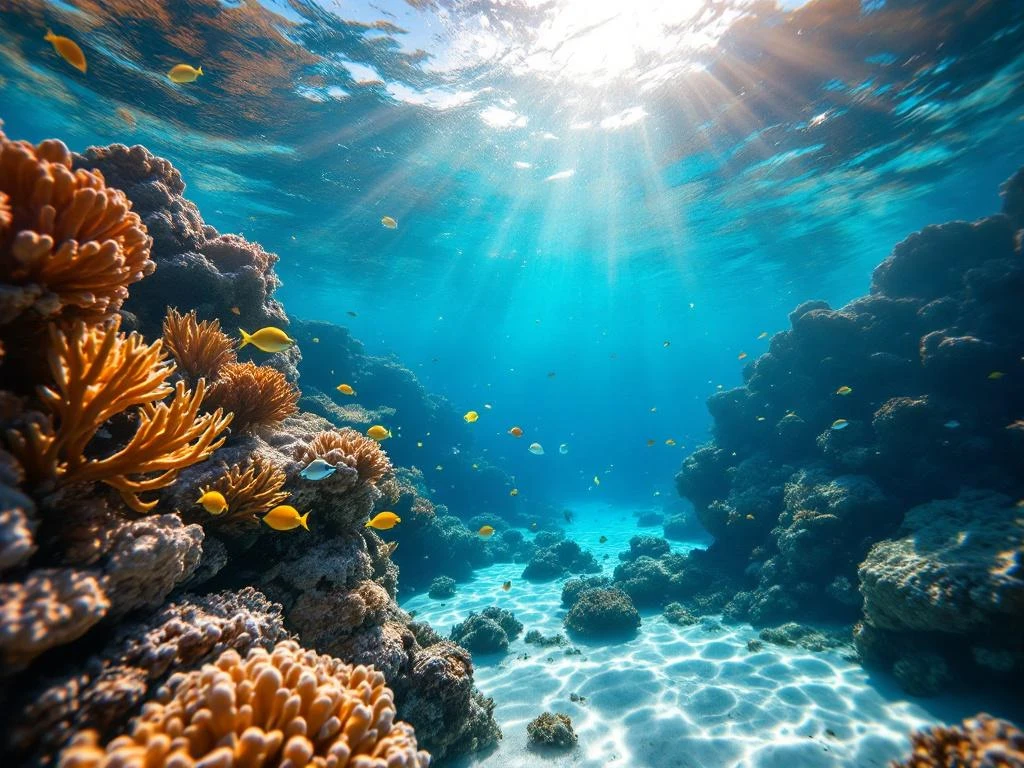
Aruba’s premier snorkeling reefs lie 200 yards to 2 miles offshore, accessible within 5-15 minutes by boat. These distances ensure optimal conditions—clearer water, healthier coral, and abundant marine life including sea turtles and tropical fish. While shore sites like Baby Beach offer casual experiences, offshore locations like Boca Catalina, Mangel Halto, and the SS Antilla shipwreck showcase Aruba’s underwater world at its finest. Boat tours provide equipment, expert guidance, and access to multiple pristine sites in one outing, revealing why distance from shore makes all the difference for unforgettable reef snorkeling adventures.
How do you equalize pressure when diving deeper at reefs?
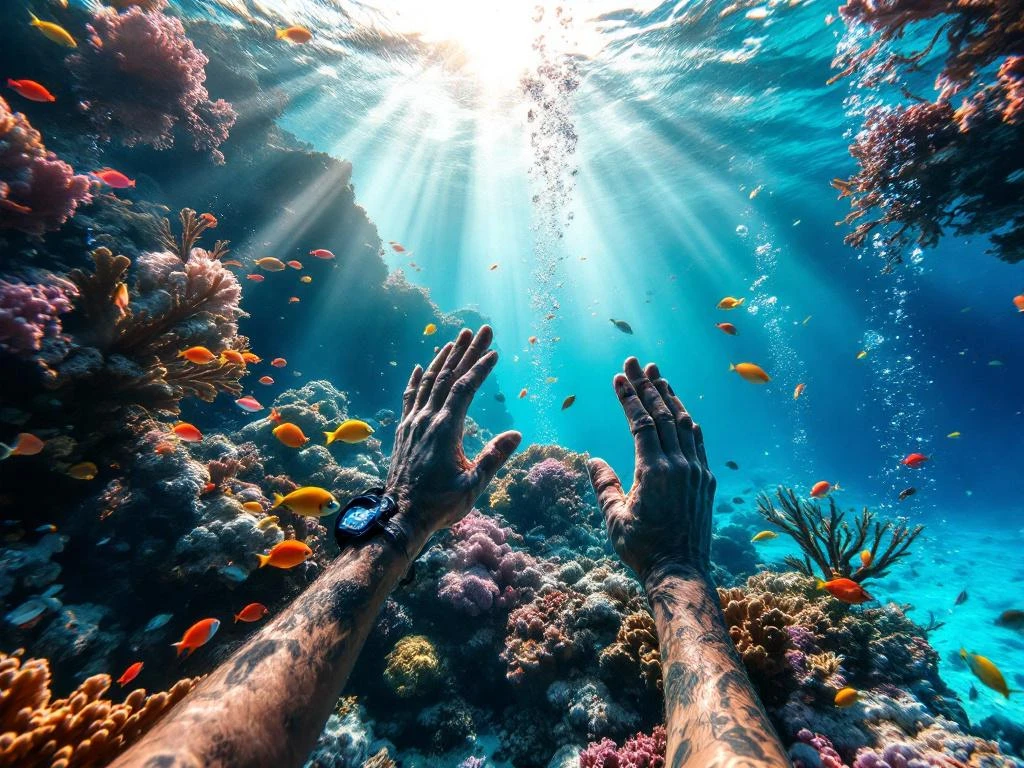
Exploring Aruba’s vibrant reefs requires mastering pressure equalisation to protect your ears and maximize comfort underwater. Learn the Valsalva, Toynbee, and Frenzel techniques that balance air pressure in your ears with increasing water pressure as you descend. Discover when to equalise, what to do if techniques aren’t working, and how to prepare before your snorkeling adventure. Even shallow reef depths create significant pressure changes, making proper equalisation essential for enjoyable underwater exploration.
How do you get to reef snorkeling sites in Aruba?
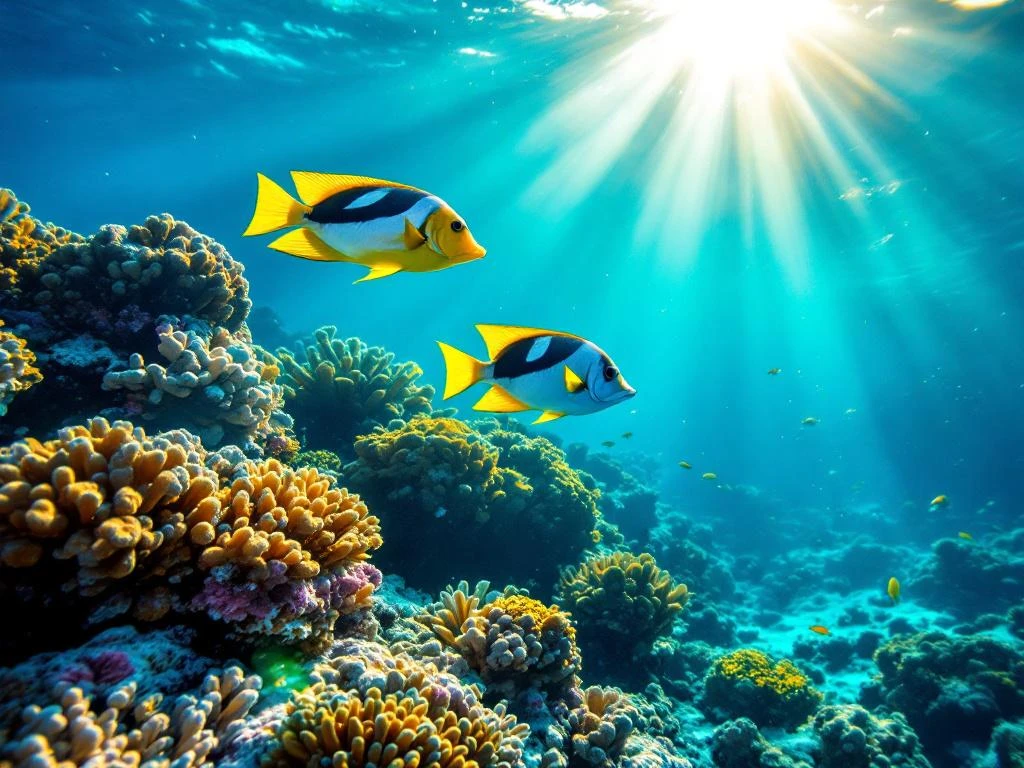
Accessing Aruba’s spectacular reef snorkeling sites involves three main approaches: boat tours, shore entries, and guided excursions. Boat tours remain the most popular choice, providing access to pristine reefs like the Antilla shipwreck and remote coral formations beyond swimming distance. Shore entries work for beach-accessible spots like Boca Catalina and Mangel Halto, while guided excursions combine expertise with convenience. Most snorkelers choose boat-based access to visit multiple premium sites in one trip with full equipment, safety supervision, and all-inclusive amenities.
Can you see bioluminescence at Aruba’s snorkeling reefs?
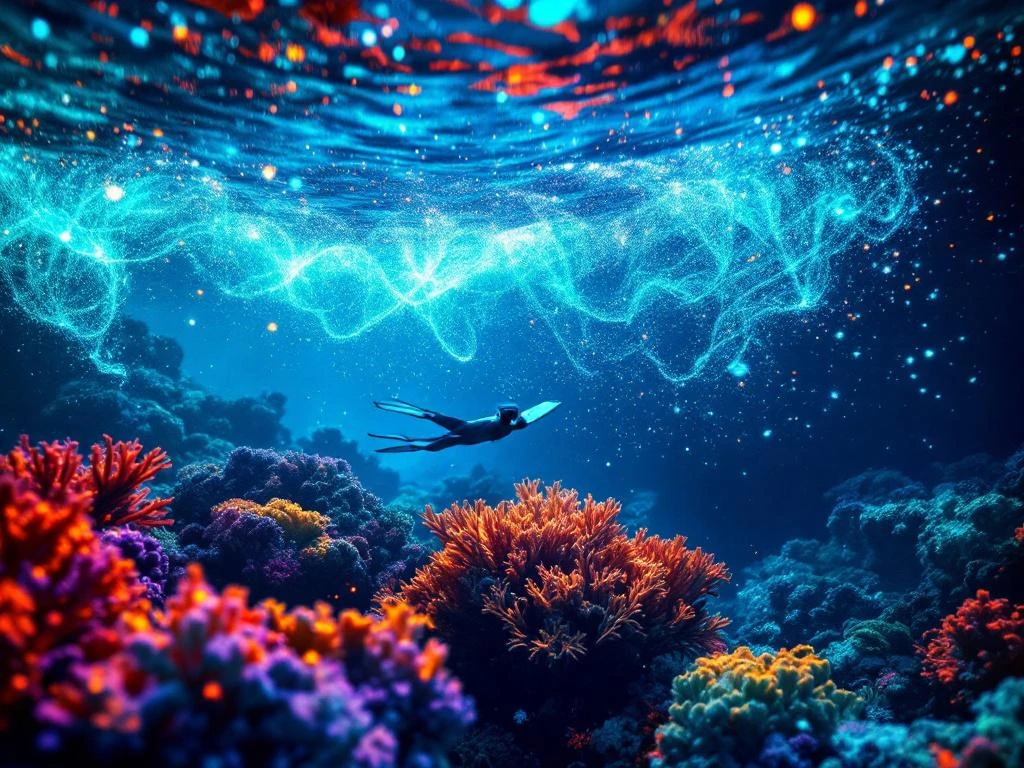
Bioluminescence at Aruba’s snorkeling reefs requires complete darkness and concentrated plankton populations—conditions that don’t align with typical snorkeling tours. While Caribbean waters contain bioluminescent organisms, Aruba’s open reef environment disperses them, making visible displays extremely rare. Instead, Aruba’s crystal-clear waters offer reliably spectacular experiences: vibrant coral formations, colorful tropical fish, graceful sea turtles, and the famous SS Antilla shipwreck. With visibility exceeding 30 meters, daytime snorkeling reveals the underwater world in vivid detail that’s accessible and unforgettable.