
What apps help identify Aruba reef fish?
Wondering which fish you’re seeing while snorkeling Aruba’s vibrant reefs? Several mobile apps can transform your underwater experience from casual observation into educational discovery. Reef Fish Identification, FishVerify, and iNaturalist offer comprehensive Caribbean databases with photo-matching capabilities and offline access. These tools help you name the colorful marine life swimming around coral reefs, enhance safety awareness, and deepen your connection to Aruba’s marine ecosystem. Learn which features matter most and how to prepare for your next snorkeling adventure.
Can you see lobsters while snorkeling Aruba’s reefs?

Yes, you can see lobsters while snorkeling Aruba’s reefs, though it requires patience and knowing where to look. Caribbean spiny lobsters hide in rocky crevices and coral formations during the day, but their distinctive long antennae often give away their location. Discover the best snorkeling spots like the SS Antilla shipwreck, optimal times for sightings, and expert techniques to spot these fascinating nocturnal creatures during your Aruba adventure.
Do tour guides point out specific species at snorkeling reefs?
Yes, professional snorkeling tour guides actively identify and point out specific marine species during reef excursions in Aruba. From colorful parrotfish and angelfish to sea turtles and coral formations, experienced guides combine safety oversight with educational commentary. The depth of species identification varies based on crew expertise and group size, with smaller tours offering more personalized attention. Guides develop their skills through formal training, certifications, and hundreds of hours underwater, learning to recognize fish by body shape, color patterns, and behavior. Discover how to maximize your marine education experience.
Do boat excursions provide professional-grade snorkel equipment?
Wondering about snorkel gear quality on boat tours? Professional excursions provide complete equipment sets including masks, snorkels, and fins for all guests. Quality operators invest in professional-grade gear with silicone masks, purge-valve snorkels, and adjustable fins that outperform basic beach rentals. Crews stock multiple sizes, offer prescription masks, and provide flotation devices for added safety. If equipment doesn’t fit properly, trained staff quickly provide alternatives. Most travelers benefit from using provided gear rather than packing their own, enjoying high-quality equipment without luggage hassles.
Which reefs have the calmest conditions for first-time snorkelers?
Aruba’s western and southern coasts provide the most beginner-friendly snorkeling conditions, with Boca Catalina, Mangel Halto, and Baby Beach offering consistently calm, protected waters year-round. These sheltered reef sites feature shallow depths of 1.5-3 metres, minimal currents, and natural barriers that shield nervous first-timers from waves and wind. With warm 26-29°C water temperatures, excellent visibility extending 15-30 metres, and vibrant marine life including colourful tropical fish and sea turtles, these locations create the perfect environment for building confidence while experiencing Aruba’s stunning underwater world.
How do you capture the best reef snorkeling photos?
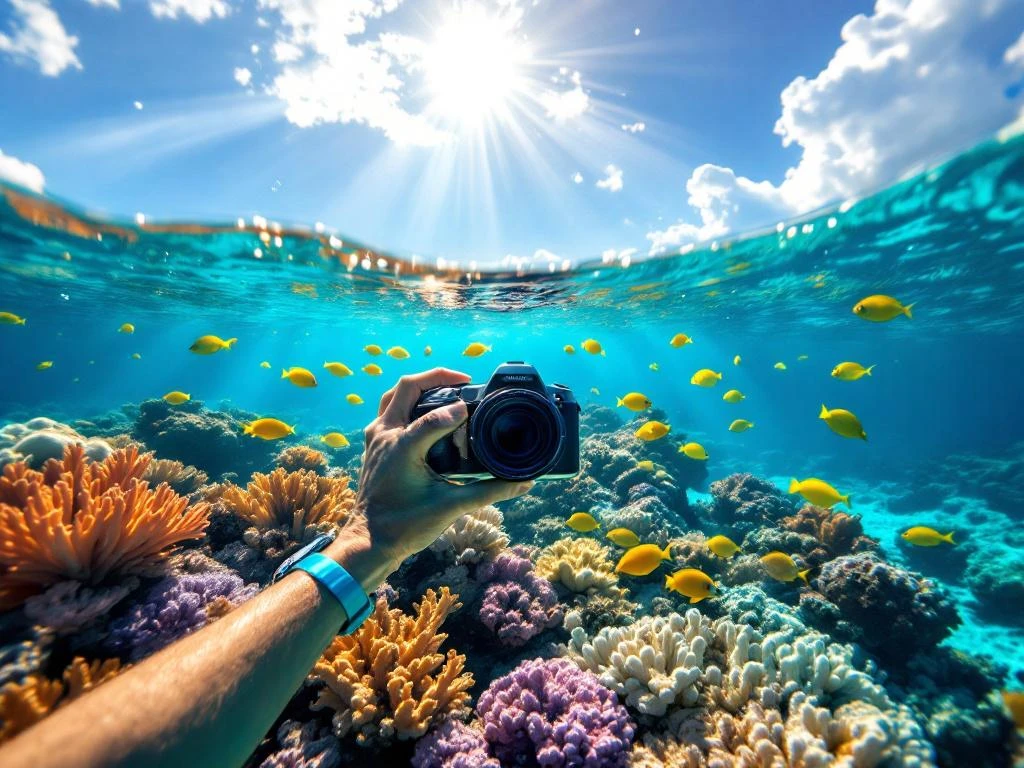
Stunning reef snorkeling photos require more than just waterproof gear—they demand technique, timing, and understanding of underwater conditions. Learn how to get close to subjects, master natural lighting in shallow Caribbean waters, and compose compelling shots that showcase vibrant coral and marine life. From choosing the right equipment to avoiding common mistakes like shooting too far away, these proven techniques transform ordinary snapshots into breathtaking underwater memories. Discover where Aruba’s crystal-clear reefs offer perfect conditions to practice your newfound skills.
Do boat excursions provide guided snorkeling at reefs?
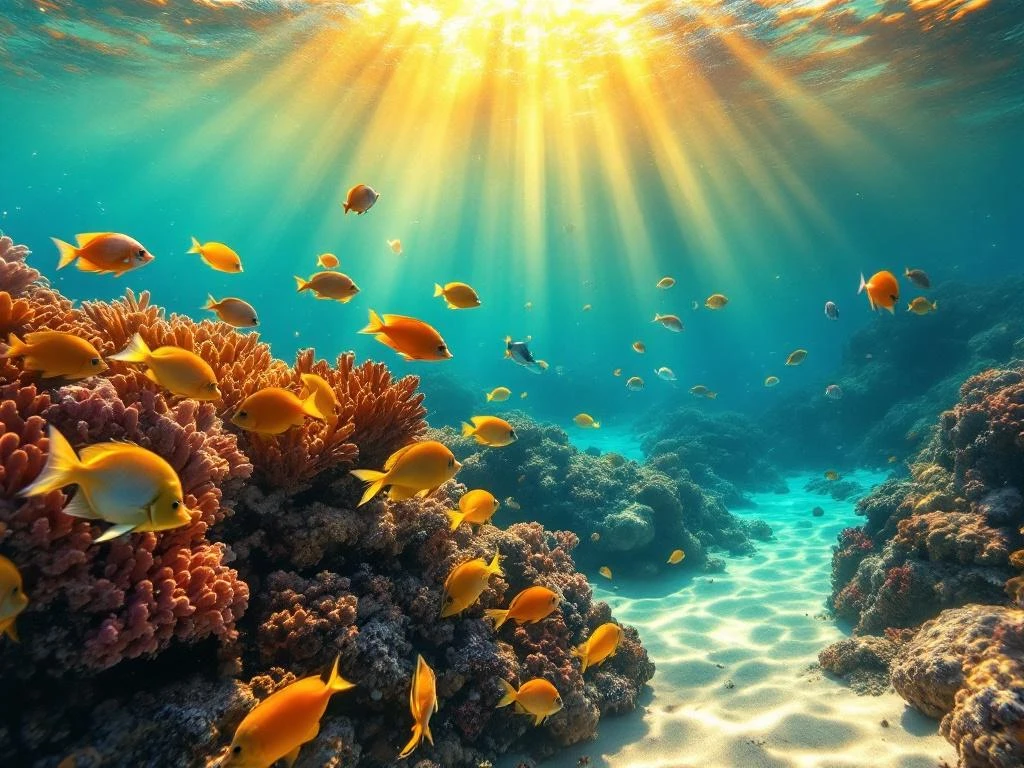
Most Aruba boat excursions offer guided snorkeling at spectacular reefs with experienced crews who provide all equipment, conduct safety briefings, and accompany you underwater. Guides point out hidden marine life like octopuses and seahorses, assist nervous beginners with flotation devices, and share fascinating insights about Caribbean ecosystems. Whether you’re a first-timer or seasoned snorkeler, professional guidance transforms your reef exploration into an educational adventure while ensuring everyone’s comfort and safety at pristine locations.
Do boat excursions cater to beginner reef snorkelers?
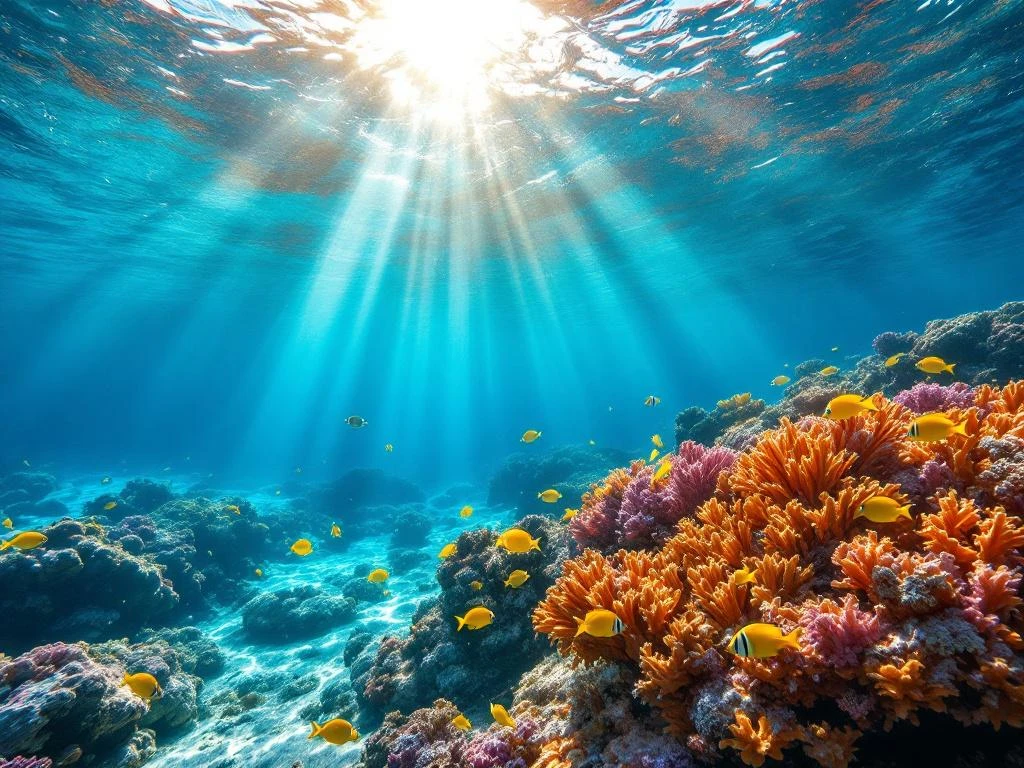
Boat excursions absolutely cater to beginner reef snorkelers, offering comprehensive support that makes underwater exploration accessible for first-timers. Most Aruba reef snorkeling tours provide shallow, calm conditions, professional guidance, flotation devices, and all necessary equipment. With crew members in the water offering hands-on assistance, detailed pre-snorkel briefings, and patient instruction, nervous beginners can confidently explore vibrant coral reefs and tropical fish. The natural buoyancy of Caribbean saltwater and surface-based snorkeling mean no diving certification or advanced swimming skills are required to experience Aruba’s spectacular underwater world.
What is a Caribbean boat tour?
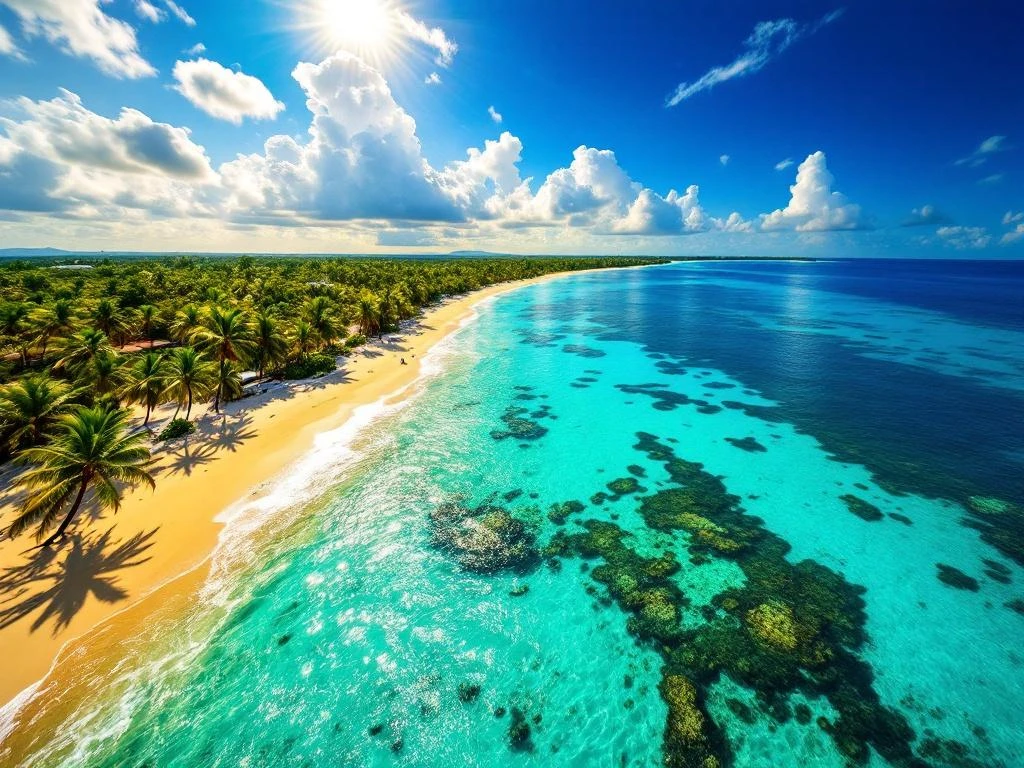
A Caribbean boat tour is a guided maritime excursion combining sailing, snorkeling, swimming, and entertainment aboard catamarans, schooners, or yachts. These all-inclusive experiences typically last 2-4 hours and feature complimentary drinks, food, snorkel equipment, and onboard activities. Explore pristine coastlines, vibrant coral reefs, hidden coves, and secluded beaches unreachable from shore. Whether you prefer morning snorkel adventures, afternoon party cruises, or romantic sunset sails, Caribbean boat tours offer unforgettable ways to experience tropical waters and marine wildlife.
What should you wear on a Caribbean boat tour?
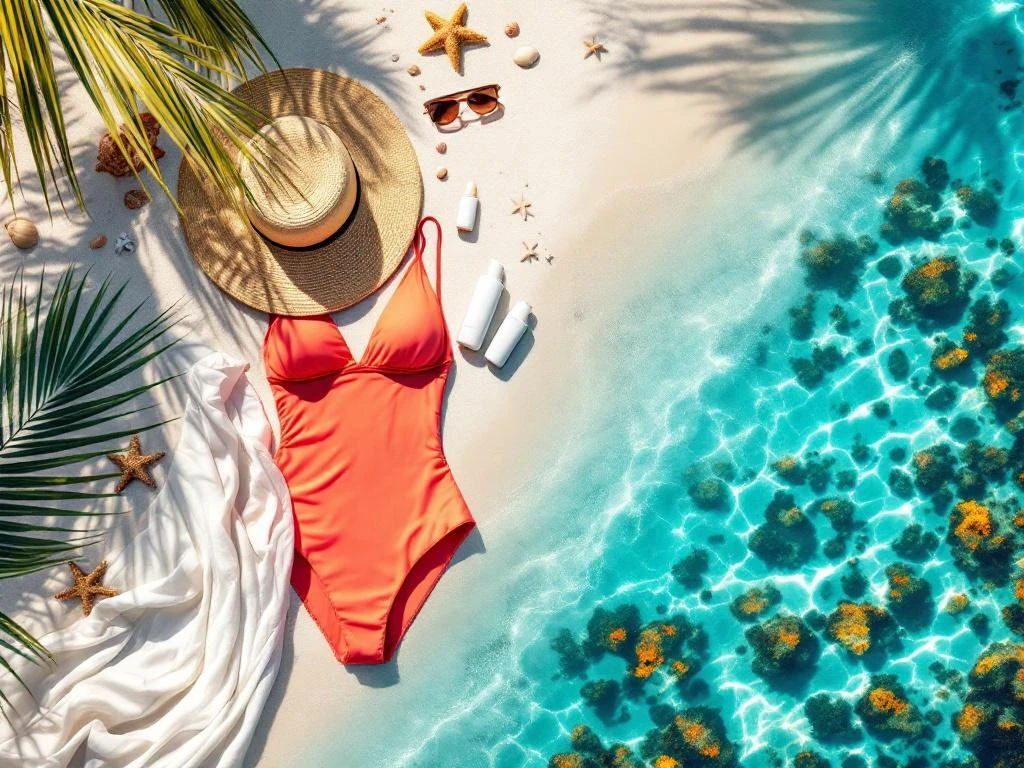
Planning your Caribbean boat tour outfit? The key is layering swimwear with quick-dry, sun-protective fabrics that transition easily between sailing and snorkeling. Morning tours demand full UV protection with rash guards and secure swimwear, while sunset cruises allow casual resort wear. Water-friendly sandals or barefoot comfort work best on deck. Pack reef-safe sunscreen, secured sunglasses, and a waterproof bag for essentials. Skip the backup outfits for day tours—quick-dry clothing handles multiple activities. Your comfort depends on breathable fabrics, minimal accessories, and focusing on the adventure rather than managing belongings.