
How do you identify fish species while reef snorkeling?
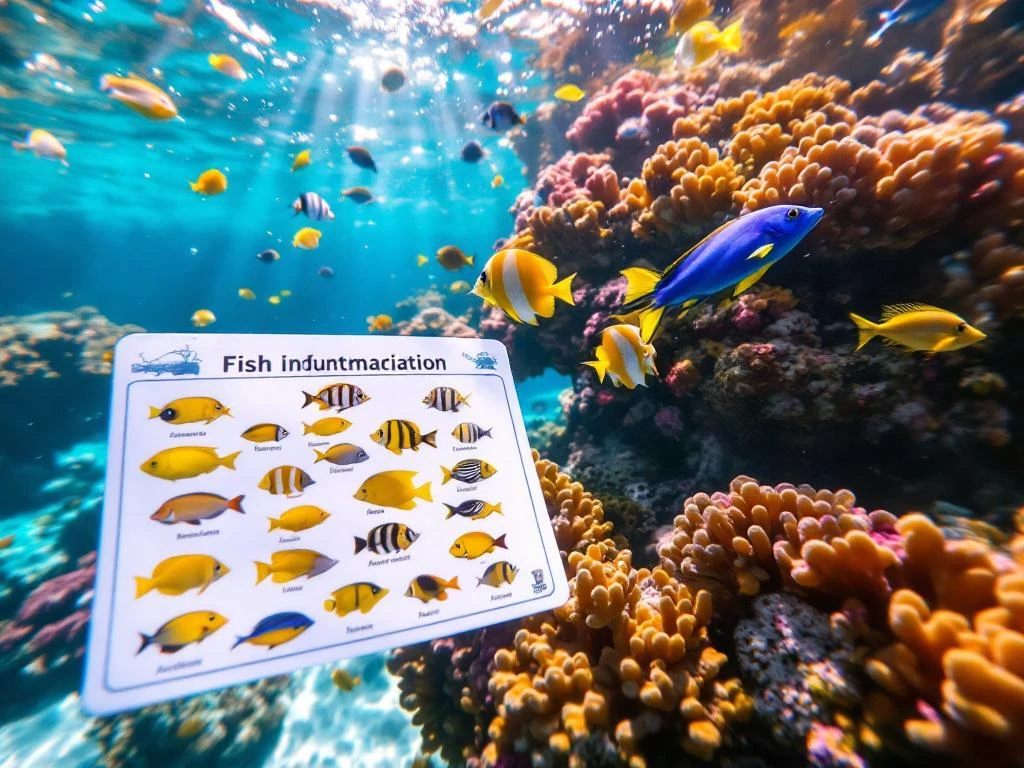
Identifying fish species while reef snorkeling becomes easier when you focus on distinctive features like body shape, color patterns, and swimming behavior. Start with obvious characteristics—overall silhouette and primary colors—before noting unique markings like stripes or spots. Habitat preferences and behavioral clues narrow down possibilities significantly. Mental snapshots, underwater photography, and guidance from knowledgeable crew members accelerate your learning. Discover how to distinguish similar Caribbean species like parrotfish and angelfish, and learn why guided snorkeling tours provide the optimal environment for developing confident fish identification skills in Aruba’s spectacular reef environments.
Are there strong currents at Aruba’s snorkeling reefs?
Aruba’s snorkeling reefs offer calm, beginner-friendly conditions with minimal to mild currents along the protected western and southern coasts. Popular spots like Boca Catalina, Arashi Beach, and Mangel Halto feature gentle water movement that’s manageable for all experience levels. Understanding how trade winds, tidal patterns, and geographic location create these favorable conditions helps you choose the best snorkeling sites. Professional tour operators assess daily conditions and select optimal locations to ensure safe, enjoyable underwater adventures in Aruba’s stunning Caribbean waters.
How do tides affect reef snorkeling conditions in Aruba?
Tides play a crucial role in creating perfect snorkeling conditions at Aruba’s vibrant reefs. While Aruba’s mild 30-60cm tidal range ensures consistently good conditions, understanding how tidal movements affect water clarity, current strength, and marine life activity helps you time your adventure perfectly. Slack tide periods and incoming tides typically offer crystal-clear visibility and calm currents, while the island’s protected western coast maintains excellent conditions throughout most tidal phases, making Aruba exceptionally forgiving for reef exploration.
How do currents affect reef snorkeling in Aruba?
Ocean currents around Aruba’s reefs create ideal snorkeling conditions rather than obstacles. The island’s protected leeward position provides naturally calm waters, while gentle currents bring nutrients that attract vibrant marine life and improve visibility. Understanding current patterns helps you choose optimal snorkeling times and locations. Learn how to work with mild water movement, recognize safe conditions, and use proper techniques to explore Aruba’s stunning underwater world comfortably and safely, regardless of your experience level.
What tide level is best for boat excursion snorkeling?
Planning a snorkeling boat excursion? Incoming flood tides and slack high tide typically create the best underwater conditions, bringing clearer ocean water and more active marine life toward shore. However, in Caribbean destinations like Aruba with minimal tidal variations (only 1-2 feet), wind conditions and time of day matter more than tide timing. Morning departures offer calmer winds, better light angles, and peak water clarity for unforgettable snorkeling experiences.
What is the difference between Caribbean reef snorkeling and Pacific reef snorkeling?
Caribbean and Pacific reef snorkeling offer dramatically different underwater adventures. The Caribbean features calmer, clearer waters with 30+ metre visibility, gentle currents, and warm temperatures perfect for beginners. Pacific snorkeling presents more dynamic conditions with stronger currents, cooler waters, and diverse marine ecosystems requiring greater swimming ability. While both oceans showcase spectacular marine life, the Caribbean’s protected barrier reefs create tranquil lagoons ideal for relaxed exploration. Pacific reefs reward experienced snorkelers with incredible biodiversity but demand more physical effort and ocean awareness for safe, enjoyable experiences.
How long does it take to reach reefs on boat excursions?
Planning an Aruba snorkeling adventure? Most boat excursions reach spectacular reefs within 10 to 30 minutes from Palm Beach departure points. Popular destinations like Boca Catalina take just 10-15 minutes, while the famous Antilla shipwreck requires 15-20 minutes of sailing. Travel time depends on vessel type, sea conditions, and tour itinerary, but you’ll spend 60-70% of your tour actually snorkeling. The journey itself becomes part of the experience, with open bars, coastal views, and crew insights making every moment enjoyable.
Do boat excursions visit both shallow and deep reefs?
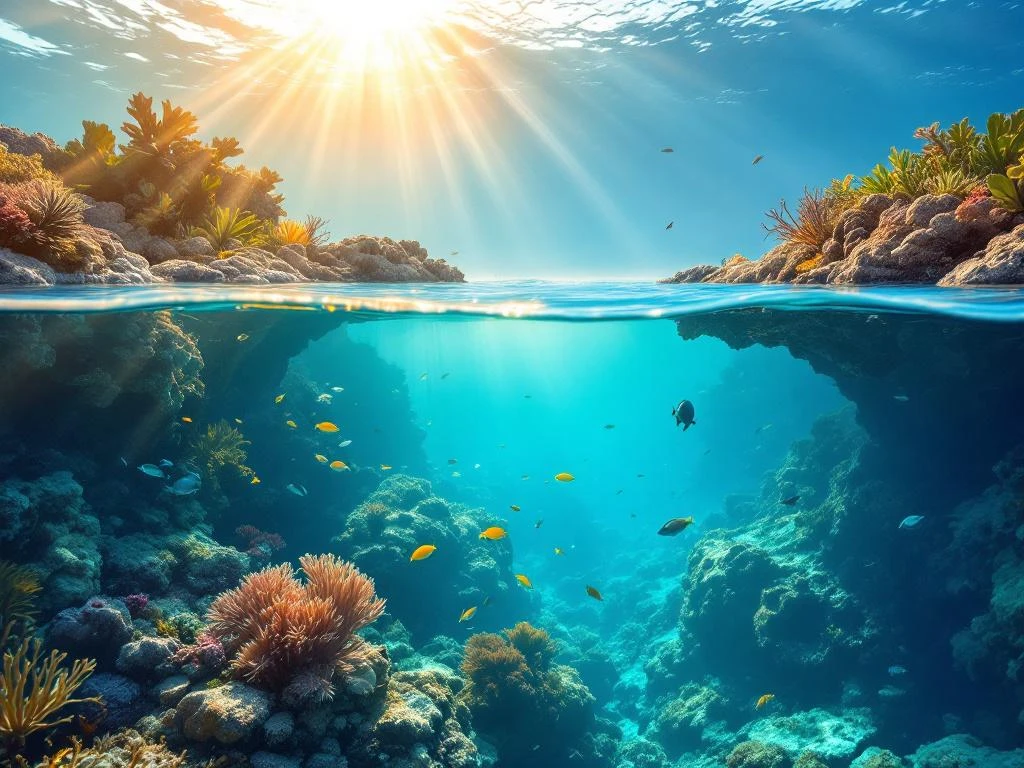
Most boat excursions prioritize shallow reefs between 5-30 feet, offering vibrant coral formations and abundant marine life accessible to all skill levels. While deep reefs beyond 30 feet exist, they’re typically reserved for certified scuba divers. Shallow reefs provide optimal visibility, natural lighting for photography, and diverse ecosystems featuring colourful parrotfish, sea turtles, and brain coral. Understanding reef depth differences helps you select the ideal Aruba snorkelling tour—whether you’re a beginner seeking calm waters or an experienced ocean enthusiast wanting multiple reef stops with pristine marine biodiversity.
How deep should beginners snorkel at Aruba’s reefs?
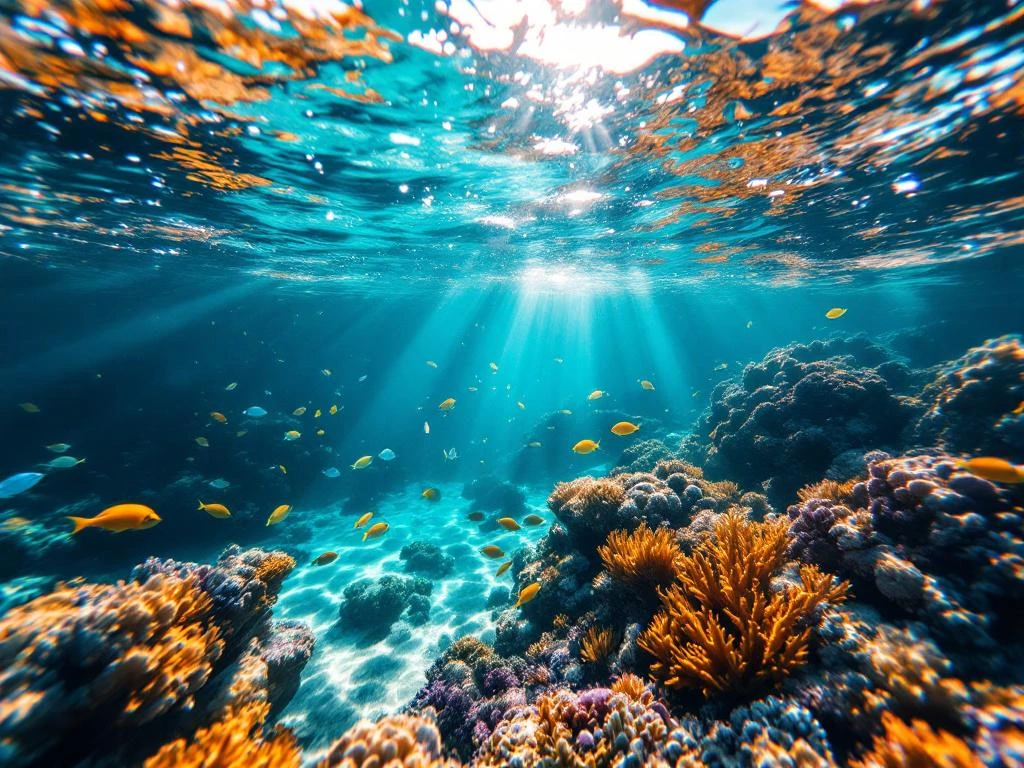
Wondering how deep to venture on your first snorkeling adventure in Aruba? Beginner snorkelers thrive at 5-15 feet depth, where calm Caribbean waters reveal vibrant coral formations, tropical fish, and even sea turtles. This shallow range offers excellent visibility, comfortable conditions, and no ear pressure concerns—perfect for building confidence while exploring Aruba’s protected reef sites like Mangel Halto and Boca Catalina. Discover why shallow doesn’t mean less spectacular, and learn how to recognize when you’re venturing too deep for comfort.
How do you prevent mask fogging during reef snorkeling?
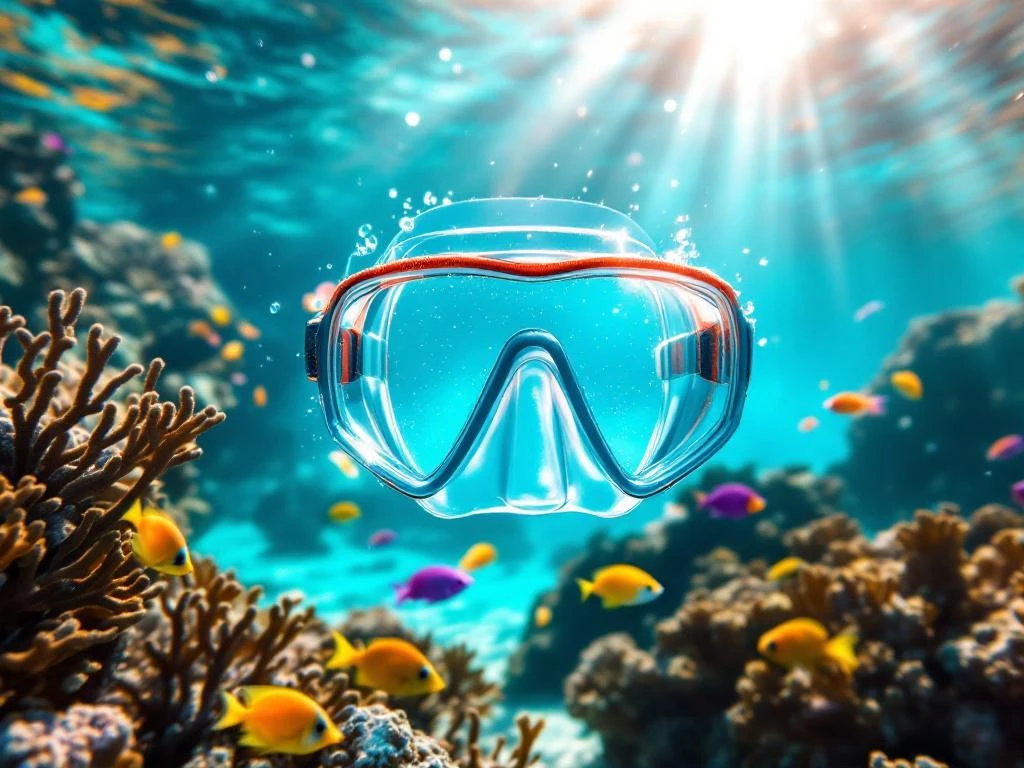
Mask fogging can ruin your reef snorkeling adventure, but it’s completely preventable. Discover the science behind why masks fog underwater and master proven techniques including commercial anti-fog solutions, baby shampoo treatment, and the traditional saliva method. Learn essential new mask preparation steps that remove factory residue, plus quick fixes when fogging occurs mid-snorkeling. These expert-backed strategies ensure crystal-clear visibility throughout your Caribbean underwater exploration.