
When are currents calmest at Aruba reefs?

Aruba’s reef currents reach their calmest state during early morning hours from 6am to 10am, before trade winds strengthen. The island’s unique position outside the hurricane belt and protected leeward coast create consistently manageable conditions year-round. September through November offer the lightest winds and glassiest seas, while the western shore’s natural shelter maintains excellent visibility often exceeding 25 metres. Understanding these daily and seasonal patterns helps you plan the perfect Aruba reef snorkeling adventure with minimal currents and crystal-clear water.
What time of day offers the best reef visibility?

Morning hours between 8am and 11am provide the clearest underwater views for Aruba reef snorkeling. During these prime hours, calm settled waters, optimal sunlight angles, and minimal wind combine to create exceptional visibility. Learn how tides, weather patterns, and time of day affect your ability to spot vibrant coral formations, tropical fish, and sea turtles. Discover why experienced snorkelers and underwater photographers consistently choose early departures for the most memorable Caribbean reef encounters.
Should you bring your own gear for reef snorkeling?

Deciding whether to bring your own snorkeling gear to Aruba involves weighing comfort, hygiene, and convenience factors. Personal equipment guarantees perfect fit and familiarity, especially valuable for experienced snorkelers with prescription masks or specific preferences. However, reputable tour operators provide well-maintained, professional-grade equipment that suits most visitors perfectly. Consider your luggage space, trip duration, snorkeling frequency, and experience level. First-timers and travelers with limited baggage capacity often benefit from using provided gear, while frequent snorkelers may prefer their own. Quality operators offer multiple sizes and proper fitting assistance, making rental equipment a practical choice for Aruba’s calm Caribbean waters.
How far can you see underwater at Aruba reefs?

Aruba’s reefs offer exceptional underwater visibility of 60 to 100 feet, with some locations exceeding 100 feet during optimal conditions. This crystal-clear water allows snorkelers to spot sea turtles, vibrant coral formations, and historic shipwrecks in stunning detail. The island’s position outside the hurricane belt, minimal rainfall, and protected western coast create consistently clear conditions year-round. Morning hours provide peak visibility, though Aruba’s stable water quality ensures excellent snorkeling throughout the day, making it one of the Caribbean’s premier destinations for reef exploration.
What are the benefits of having a guide during reef snorkeling?

Having a guide during reef snorkeling transforms your Caribbean experience from a simple swim into a safe, educational adventure. Professional guides provide crucial safety monitoring, identify dozens of tropical fish species you’d otherwise miss, and leverage local knowledge to access the most vibrant reef locations. They handle equipment briefings, watch for hazards like currents and marine life, and share fascinating insights about coral ecosystems and symbiotic relationships. With expert supervision, you can relax and focus entirely on enjoying Aruba’s spectacular underwater world while guides ensure comfort, safety, and unforgettable marine encounters throughout your snorkeling excursion.
Can you explore reefs independently during boat excursions?
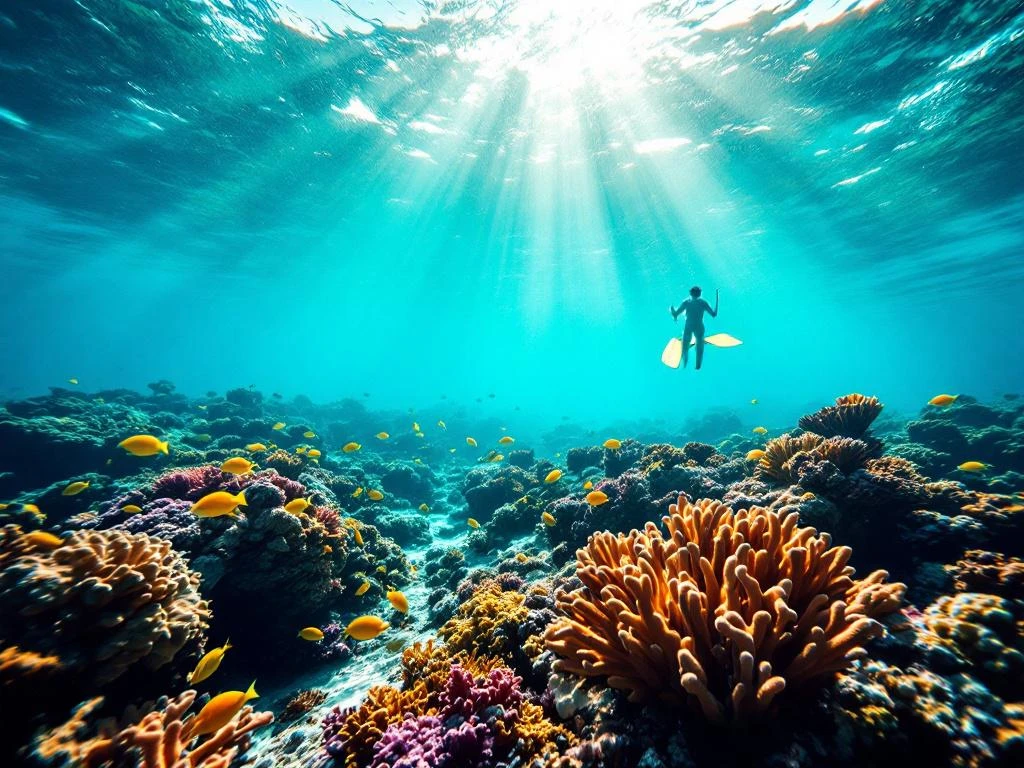
Yes, you can explore reefs independently during boat excursions with structured safety boundaries. Most reputable operators allow snorkeling at your own pace within designated zones while crew maintains supervision. Independence levels vary based on water conditions, group size, and swimming ability. Smaller groups (20-25 guests) offer greater freedom compared to larger tours. Look for operators with strong crew-to-guest ratios and 45-60 minute snorkeling sessions for the best independent exploration experience.
What can you see while snorkeling on an Aruba boat tour?
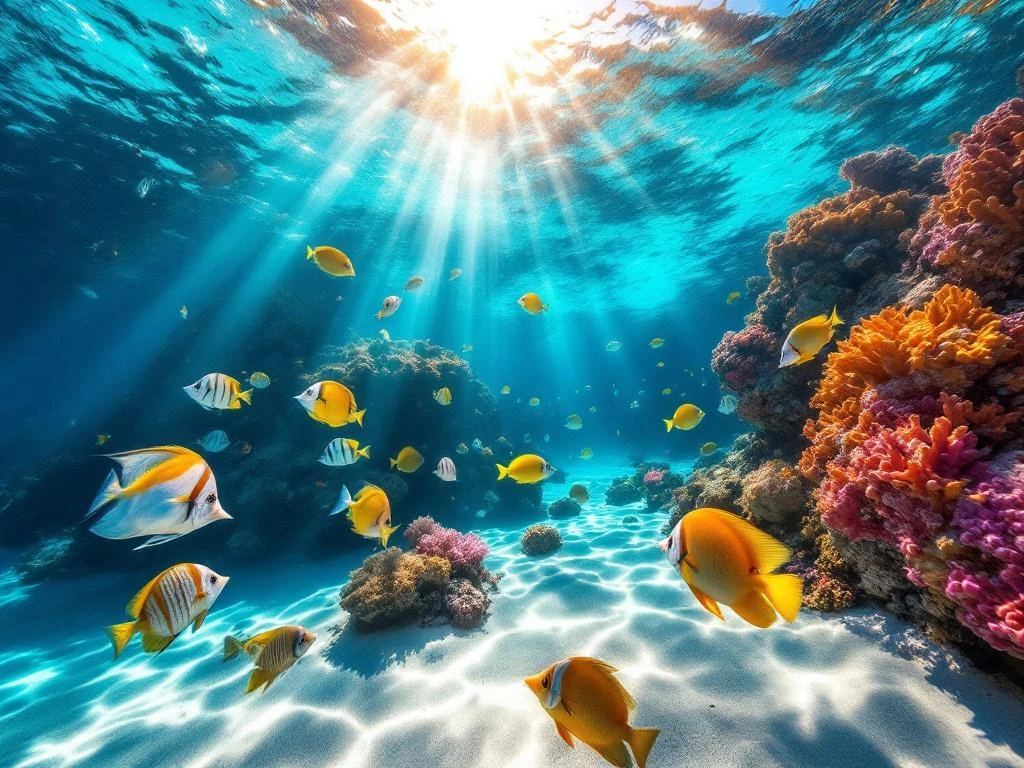
Snorkeling on an Aruba boat tour immerses you in a vibrant underwater paradise filled with colourful parrotfish, angelfish, and sea turtles gliding through crystal-clear Caribbean waters. With visibility reaching 15-30 metres, you’ll explore stunning coral formations, the famous SS Antilla shipwreck, and diverse marine ecosystems teeming with life. Multiple snorkeling stops reveal different underwater landscapes—from brain coral gardens to sandy bottoms where stingrays gracefully patrol. Whether you’re a beginner or experienced snorkeler, Aruba’s warm, year-round waters and exceptional clarity create unforgettable encounters with Caribbean marine life.
What is the best reef for beginners in Aruba?
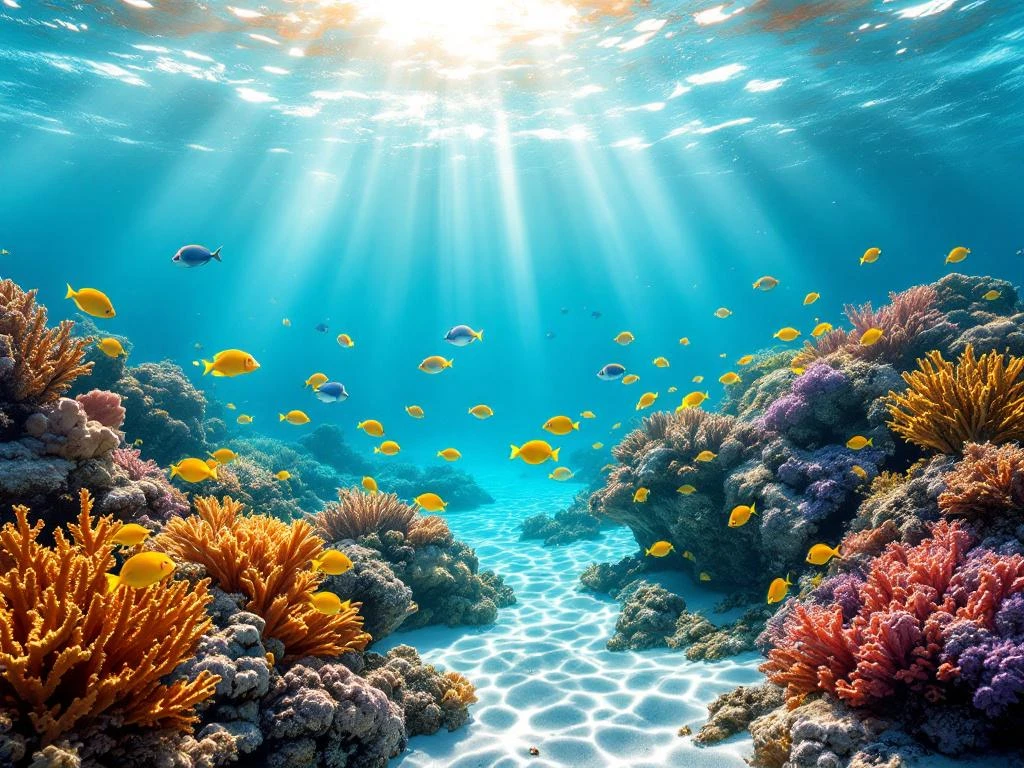
New to snorkeling? Mangel Halto offers the perfect introduction to Aruba’s underwater world. With shallow waters (3-10 feet), minimal currents, and exceptional clarity, this protected bay lets beginners explore vibrant marine life safely. Learn why experienced guides recommend this spot, plus discover alternative beginner-friendly reefs like Boca Catalina and Baby Beach. Get essential preparation tips to make your first reef snorkeling adventure comfortable and unforgettable.
Is snorkeling equipment provided on Aruba boat tours?

Planning a snorkeling adventure in Aruba? Good news—reputable boat tour operators provide complete snorkeling equipment including masks, snorkels, fins, and safety gear at no additional charge. This comprehensive guide explains exactly what gear you’ll receive, how crew members ensure proper fit for all ages and sizes, and the quality differences between budget and premium operators. Discover why you don’t need to pack bulky equipment, how professional crews handle equipment fitting and adjustments, and whether bringing your own gear offers any advantages for your Caribbean underwater adventure.
How does reef snorkeling improve your understanding of marine ecosystems?

Reef snorkeling transforms your understanding of marine ecosystems by providing direct, immersive access to underwater environments that books and documentaries can’t replicate. When you float above a coral reef, you witness intricate species relationships, observe natural behaviors, and develop emotional connections that deepen ecological literacy. From identifying coral structures to watching fish interact in their natural habitat, snorkeling builds pattern recognition and environmental awareness. This hands-on experience makes marine conservation tangible—the reef becomes a place you’ve visited, populated by creatures you’ve encountered, creating psychological investment that drives protective behavior.