What should you do if you encounter a nurse shark while snorkeling?

Encountering a nurse shark while snorkeling can be thrilling yet nerve-wracking. These docile bottom-dwellers are among the safest shark species to meet underwater, posing minimal threat when treated with respect. Learn the essential do’s and don’ts for nurse shark encounters, including maintaining a two-metre distance, recognizing stress signals, and understanding their gentle nature. Discover why Aruba’s calm Caribbean waters make perfect nurse shark territory and how guided snorkeling tours can enhance your wildlife experience while prioritizing safety and marine conservation.
What do boat excursion guides teach about reef etiquette?

Professional boat excursion guides teach reef etiquette to protect fragile coral ecosystems while ensuring unforgettable snorkeling experiences. Learn the essential no-touch policies, proper buoyancy control techniques, safe distance maintenance, and reef-safe sunscreen practices that preserve Aruba’s stunning underwater landscapes. Discover why educated snorkelers become conservation ambassadors and how responsible practices protect both marine life and guest safety during Caribbean adventures.
Can you bring underwater cameras on Aruba boat excursions?

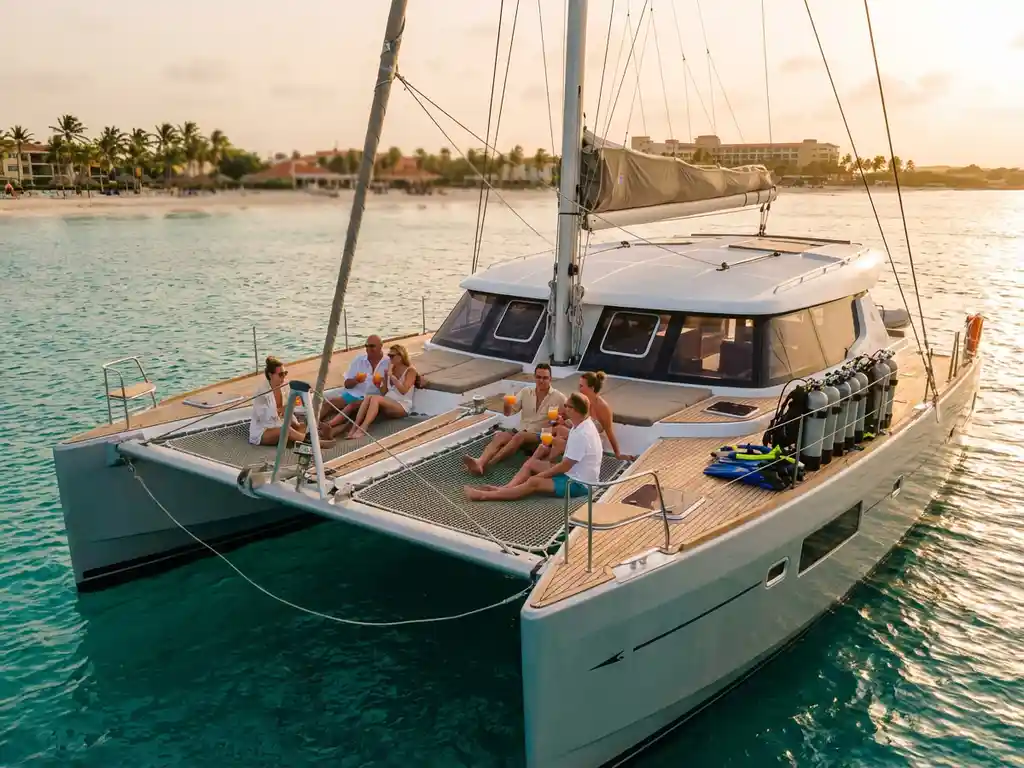
Yes, you can bring underwater cameras on Aruba boat excursions, and tour operators actively encourage it. Whether you’re using a GoPro, waterproof phone case, or dedicated underwater camera, you’ll capture stunning Caribbean marine life, vibrant coral reefs, and unforgettable snorkelling moments. Discover which camera types work best in crystal-clear Aruba waters, essential equipment protection strategies during sailing trips, and expert photography tips for documenting tropical fish and reef formations without disturbing delicate ecosystems.
What is the proper technique for snorkeling near reefs?

Learn the essential snorkeling techniques that protect coral reefs while maximizing your underwater experience. This comprehensive guide covers proper body positioning, breathing methods, and fin control that keep you safe above delicate coral formations. Discover how horizontal floating, slow breathing through your snorkel, and spatial awareness create effortless reef exploration. Whether you’re planning your first Caribbean snorkeling adventure or refining existing skills, these reef-friendly practices ensure memorable encounters with vibrant marine life while preserving fragile ecosystems for future generations.
How do you avoid damaging coral while reef snorkeling?

Coral reefs grow just centimeters per year, making them extraordinarily fragile. A single careless fin kick can destroy decades of growth in seconds. Discover how to maintain proper buoyancy, keep safe distances from formations, and use reef-safe equipment to protect these vital ecosystems. From mastering horizontal positioning to choosing the right sunscreen, learn the essential techniques that let you explore underwater worlds responsibly. Professional guidance during Aruba reef snorkeling ensures unforgettable experiences while preserving coral for future generations.
When are currents calmest at Aruba reefs?

Aruba’s reef currents reach their calmest state during early morning hours from 6am to 10am, before trade winds strengthen. The island’s unique position outside the hurricane belt and protected leeward coast create consistently manageable conditions year-round. September through November offer the lightest winds and glassiest seas, while the western shore’s natural shelter maintains excellent visibility often exceeding 25 metres. Understanding these daily and seasonal patterns helps you plan the perfect Aruba reef snorkeling adventure with minimal currents and crystal-clear water.
Should you bring your own gear for reef snorkeling?

Deciding whether to bring your own snorkeling gear to Aruba involves weighing comfort, hygiene, and convenience factors. Personal equipment guarantees perfect fit and familiarity, especially valuable for experienced snorkelers with prescription masks or specific preferences. However, reputable tour operators provide well-maintained, professional-grade equipment that suits most visitors perfectly. Consider your luggage space, trip duration, snorkeling frequency, and experience level. First-timers and travelers with limited baggage capacity often benefit from using provided gear, while frequent snorkelers may prefer their own. Quality operators offer multiple sizes and proper fitting assistance, making rental equipment a practical choice for Aruba’s calm Caribbean waters.
What time of day offers the best reef visibility?

Morning hours between 8am and 11am provide the clearest underwater views for Aruba reef snorkeling. During these prime hours, calm settled waters, optimal sunlight angles, and minimal wind combine to create exceptional visibility. Learn how tides, weather patterns, and time of day affect your ability to spot vibrant coral formations, tropical fish, and sea turtles. Discover why experienced snorkelers and underwater photographers consistently choose early departures for the most memorable Caribbean reef encounters.
How far can you see underwater at Aruba reefs?

Aruba’s reefs offer exceptional underwater visibility of 60 to 100 feet, with some locations exceeding 100 feet during optimal conditions. This crystal-clear water allows snorkelers to spot sea turtles, vibrant coral formations, and historic shipwrecks in stunning detail. The island’s position outside the hurricane belt, minimal rainfall, and protected western coast create consistently clear conditions year-round. Morning hours provide peak visibility, though Aruba’s stable water quality ensures excellent snorkeling throughout the day, making it one of the Caribbean’s premier destinations for reef exploration.
What are the benefits of having a guide during reef snorkeling?

Having a guide during reef snorkeling transforms your Caribbean experience from a simple swim into a safe, educational adventure. Professional guides provide crucial safety monitoring, identify dozens of tropical fish species you’d otherwise miss, and leverage local knowledge to access the most vibrant reef locations. They handle equipment briefings, watch for hazards like currents and marine life, and share fascinating insights about coral ecosystems and symbiotic relationships. With expert supervision, you can relax and focus entirely on enjoying Aruba’s spectacular underwater world while guides ensure comfort, safety, and unforgettable marine encounters throughout your snorkeling excursion.